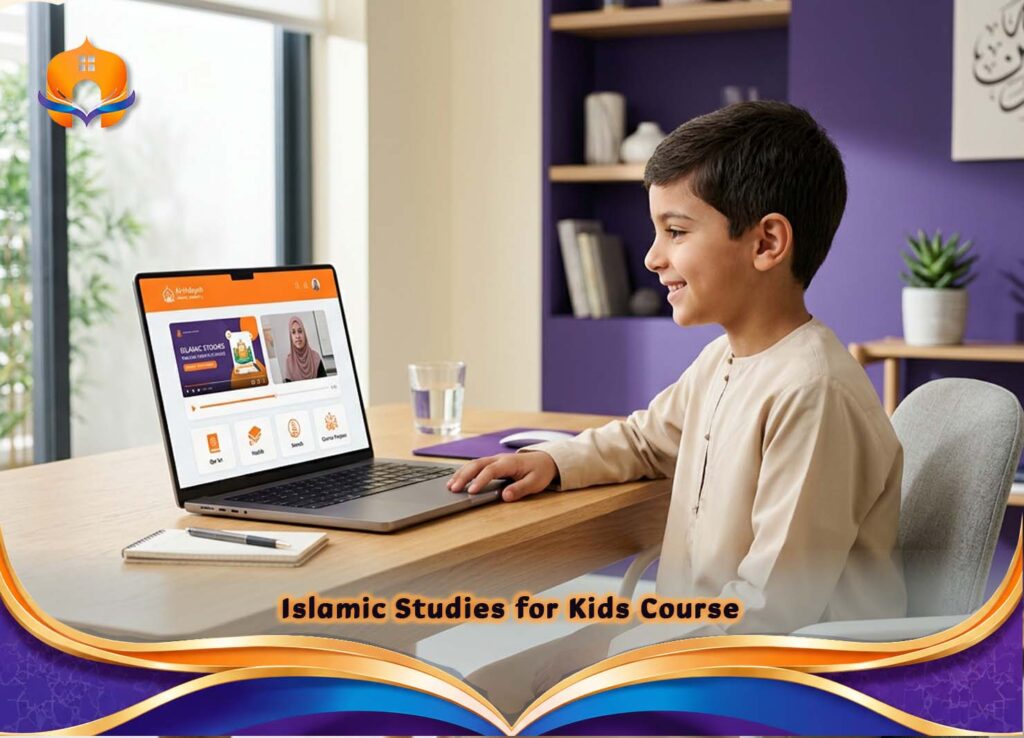
The Islamic Studies for kids course is one of the most effective ways to help children develop a strong understanding of Islam while building good character and lifelong values. At Quran House Academy, children learn through structured, engaging lessons that make Islamic education both enjoyable and meaningful.
From learning the fundamentals of faith to practicing good manners inspired by the Quran and Sunnah, a well-designed course gives young learners the confidence to grow spiritually and morally. In this guide, you’ll discover why Islamic studies are essential for children, what benefits they provide, and how choosing the right learning program can support your child’s faith, knowledge, and personal development for years to come. For learners who want to go further, take a look at our stories kids.
Why Should Islamic Education Begin at an Early Age?
Childhood is the stage when beliefs, habits, and character begin to develop. During these early years, children are naturally curious and absorb information quickly. Introducing Islamic teachings at this stage creates a strong spiritual foundation that supports them throughout life. If this is an area you’d like to explore in more depth, check out our noorani qaida kids.
Young learners who study Islam gradually become familiar with the basic principles of their religion. They learn who Allah is, why Muslims worship Him, and how good manners are part of every aspect of daily life. Instead of learning through fear or pressure, children grow to love their faith through understanding, encouragement, and positive experiences. Many students pair this with our kids to round out their learning.
Early Islamic education also helps children distinguish between right and wrong. They begin to understand honesty, kindness, patience, gratitude, and respect as practical values that guide their actions both at home and in school.
Start Your Quran Learning Journey Today
Take the first step toward learning the Quran with confidence through organized lessons created specifically for beginners. Whether you want to strengthen your Quran reading, master proper pronunciation, or understand the rules of Tajweed, Quran House Academy offers a clear learning path in a supportive and flexible online environment.
Guided by experienced Quran teachers, students receive personalized one-on-one instruction that matches their pace and learning goals. The simple teaching approach helps children and adults build strong reading skills from the comfort of home while gaining confidence with every lesson. Begin your Quran journey today and enjoy steady progress toward fluent, accurate recitation through a structured program designed for lasting success.
How does an Islamic Studies Course Shape a Child’s Character?
One of the greatest benefits of Islamic learning is character development. Academic success is valuable, but good manners and strong morals remain lifelong qualities that influence every relationship and decision. Children who study authentic Islamic teachings become familiar with qualities encouraged by Islam, including:
- Honesty in words and actions.
- Respect for parents, teachers, and elders.
- Compassion toward family members and friends.
- Responsibility for personal actions.
- Generosity and willingness to help others.
- Patience during challenges.
- Gratitude for Allah’s countless blessings.
These values are not taught as isolated lessons. They are connected to stories from the Quran reading classes online, examples from the Prophets, and practical situations that children experience every day. This approach makes Islamic teachings easier to understand and remember.
Strengthening Faith Through Daily Learning
Faith grows through consistent learning and practice. A well-designed Islamic studies course for kids introduces children to the pillars of Islam and the pillars of Iman step by step without overwhelming them.
Children learn why Muslims pray, fast, give charity, and remember Allah throughout the day. They also understand the importance of sincere intentions, good behavior, and seeking Allah’s pleasure in everything they do.
Rather than memorizing information without understanding, students gradually connect Islamic knowledge to real-life experiences. This creates a stronger emotional attachment to their religion and helps faith become a natural part of everyday life.
Learning About the Prophets as Role Models
Stories have always been one of the most effective teaching methods for children. The stories of the Prophets provide valuable lessons that remain relevant throughout life.
Children discover how Prophet Adam demonstrated repentance, Prophet Nuh remained patient despite rejection, Prophet Ibrahim showed complete trust in Allah, Prophet Musa displayed courage, and Prophet Muhammad ﷺ became the perfect example of mercy, honesty, and compassion.
These stories inspire children to imitate noble behavior while understanding that every challenge can become an opportunity to grow stronger in faith.
Understanding Islamic Beliefs in a Simple Way
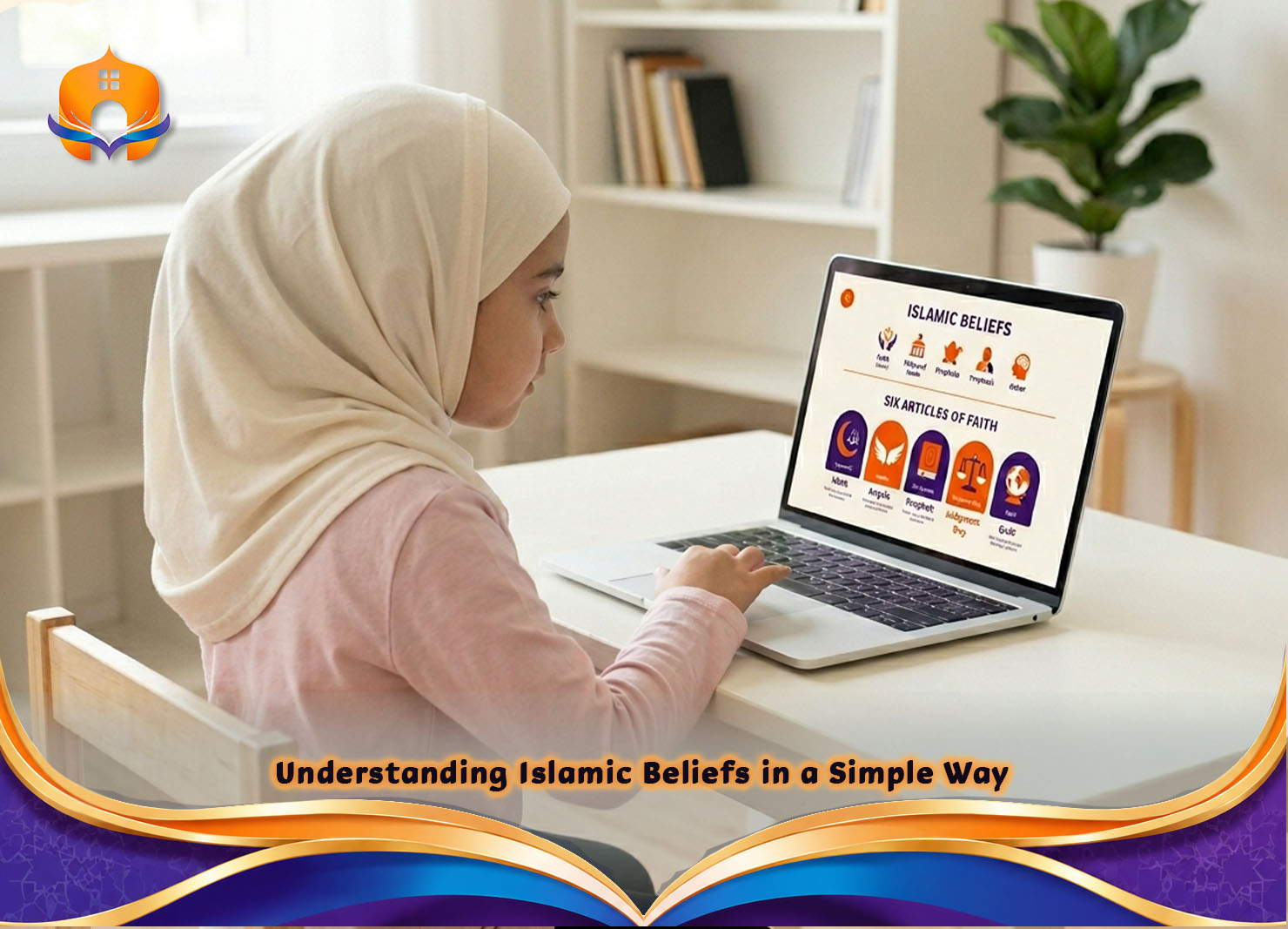
Children often ask thoughtful questions about Allah, angels, the Quran, Paradise, and the purpose of life. A structured curriculum answers these questions using language that matches the child’s level of understanding.
Instead of providing complicated theological discussions, teachers explain Islamic beliefs clearly and patiently. This helps children develop confidence in their religion while encouraging respectful curiosity and continuous learning.
As their understanding grows, children become more comfortable discussing their faith with family members and friends.
Developing Love for the Quran
Islamic studies naturally encourage children to appreciate the Quran beyond simply reading its words. Students begin to understand the importance of the Quran as Allah’s final revelation and the primary source of guidance for Muslims.
Lessons often introduce selected Quranic verses together with their meanings and practical applications. Children learn that every verse carries wisdom that can improve their daily behavior, relationships, and decisions.A comprehensive rules of Tajweed course helps students recite the Holy Quran accurately and confidently
When understanding accompanies recitation, children become more motivated to continue learning the Quran throughout their lives.
Building Strong Islamic Identity
Children who understand their religion develop confidence in who they are. They do not feel confused when encountering different beliefs or lifestyles because they have already learned the principles that shape their identity.
A healthy Islamic identity allows children to participate positively in diverse communities while remaining committed to their values. They learn that respecting others and practicing Islam with kindness can go hand in hand. Understanding what is islamic fiqh is essential for every Muslim who wants to practice Islam correctly.
This balance helps children grow into responsible individuals who contribute positively to society without compromising their beliefs.
Encouraging Curiosity and Critical Thinking
Islam encourages seeking knowledge and reflecting on the signs of Allah throughout creation. Good Islamic education does not discourage questions. Instead, it welcomes them.
Children are encouraged to think about the wisdom behind Islamic teachings, reflect on Allah’s blessings, and appreciate the beauty of the universe. This approach develops both intellectual curiosity and spiritual awareness.
Rather than accepting information blindly, students learn how Islamic knowledge provides thoughtful answers to life’s important questions.
The Importance of Learning in a Positive Environment
The learning environment plays a major role in a child’s educational journey. Children learn best when they feel respected, encouraged, and supported.
Positive teachers understand that every child learns differently. Some students grasp concepts quickly, while others need additional explanations and practice. Patience, encouragement, and constructive feedback help children build confidence instead of fear.
Parents also play an important role by celebrating progress, reviewing lessons together, and encouraging consistent practice at home.
Choosing the Right Learning Program
Parents should carefully evaluate any Islamic education program before enrolling their children. A quality course focuses on understanding rather than memorization alone and provides structured lessons that progress gradually.
Quran House Academy offers organized Islamic education designed to make learning enjoyable, practical, and suitable for children of different ages. Lessons focus on authentic knowledge presented in a way that encourages participation, curiosity, and confidence.
In addition, the House Online Quran Academy for kids provides qualified teachers who understand how to communicate with young learners using engaging teaching methods that make lessons easier to understand and remember.
Practical Ways Parents Can Support Islamic Learning at Home
A child’s Islamic education should not end when the lesson is over. Parents play a central role in reinforcing what children learn by creating an environment where Islamic values are practiced every day. Even small daily habits can make a lasting difference in a child’s understanding of Islam.
One of the simplest ways to support learning is by setting aside a few minutes each day to discuss what the child learned during class. Asking questions, listening carefully, and encouraging children to explain concepts in their own words help strengthen both understanding and confidence.
Families can also establish routines that naturally connect children with their faith, such as reading a short passage from the Quran together, making dua before sleeping, remembering Allah before meals, or sharing stories about the Prophets during family time. These simple activities transform Islamic knowledge into meaningful daily practice.
Parents should also encourage children when they demonstrate good manners inspired by Islamic teachings. Praising honesty, patience, kindness, and generosity motivates children to continue practicing these values because they see that good character is appreciated both at home and in their religion.
Interactive Learning Keeps Children Motivated
Children learn more effectively when education is enjoyable rather than repetitive. Interactive lessons capture their attention and make Islamic concepts easier to remember.
Effective teachers use various educational methods that match different learning styles. Storytelling brings historical events to life, while discussions encourage children to express their thoughts and ask questions. Visual presentations, quizzes, educational games, and age-appropriate activities also help maintain enthusiasm throughout each lesson.
Interactive learning reduces boredom and transforms Islamic education into an experience children genuinely look forward to each week. When children associate learning Islam with positive experiences, they become more eager to continue studying as they grow older.
Life Skills Children Gain Through Islamic Studies
An authentic Islamic education offers benefits that extend far beyond religious knowledge. Children gradually develop essential life skills that support both their personal growth and academic success. These skills include:
- Effective communication through respectful conversations.
- Problem-solving by applying Islamic values to daily situations.
- Self-discipline through regular acts of worship.
- Responsibility for personal choices and behavior.
- Emotional control by practicing patience and gratitude.
- Respect for differences while maintaining Islamic principles.
- Confidence in making ethical decisions.
These abilities help children face challenges with maturity and confidence while staying firmly connected to their faith, guiding their behavior, values, and decisions in everyday life. An experienced online quran tutor provides personalized lessons for students of all ages.
Why Consistency Matters More Than Speed?
Many parents hope their children will complete Islamic studies quickly. However, meaningful learning is not measured by how fast a child finishes a course but by how deeply they understand and apply what they learn.
Gradual education allows children to absorb information without feeling overwhelmed. Each lesson builds naturally upon previous knowledge, allowing students enough time to understand concepts before moving to more advanced topics.
Consistent weekly learning also creates lasting habits. Children become accustomed to studying Islam regularly, reviewing lessons, and applying Islamic teachings in their daily lives. This steady progress often produces stronger long-term results than intensive learning over a short period.
What to Look for in an Islamic Studies for Kids Course?
Selecting the right program requires more than comparing schedules or prices. Parents should evaluate the quality of education and the teaching approach to ensure their children receive authentic and engaging instruction. Important features include:
- Qualified teachers with experience teaching children.
- Authentic Islamic content based on the Quran and Sunnah.
- Lessons appropriate for different age groups.
- Clear learning objectives and an organized curriculum.
- Interactive teaching methods that encourage participation.
- Regular assessments to monitor progress.
- Flexible scheduling that fits family routines.
- A supportive environment where children feel comfortable asking questions.
Programs with these qualities help children enjoy learning, develop strong Quran skills, build confidence, and establish a solid Islamic foundation for life. Learning the Difference Between Hafs and Warsh Quran helps students understand the most common Quranic recitation methods.
Learning Islamic Studies for Kids Course with Confidence
Online Quran classes for kids have become an excellent option for many families around the world. Modern technology allows children to receive high-quality instruction from qualified teachers without leaving home.
Virtual classrooms include live interaction, screen sharing, digital learning materials, and continuous communication between teachers and parents. This creates a structured educational experience while offering the flexibility that many families need.
For parents looking for a trusted learning environment, Quran House Academy provides structured programs designed specifically for young learners. Lessons are organized according to each child’s level, allowing students to progress with confidence while developing both Islamic knowledge and good character.Parents can teach Islam to kids through engaging lessons, stories, and interactive activities
A Lifelong Investment in Your Child’s Future
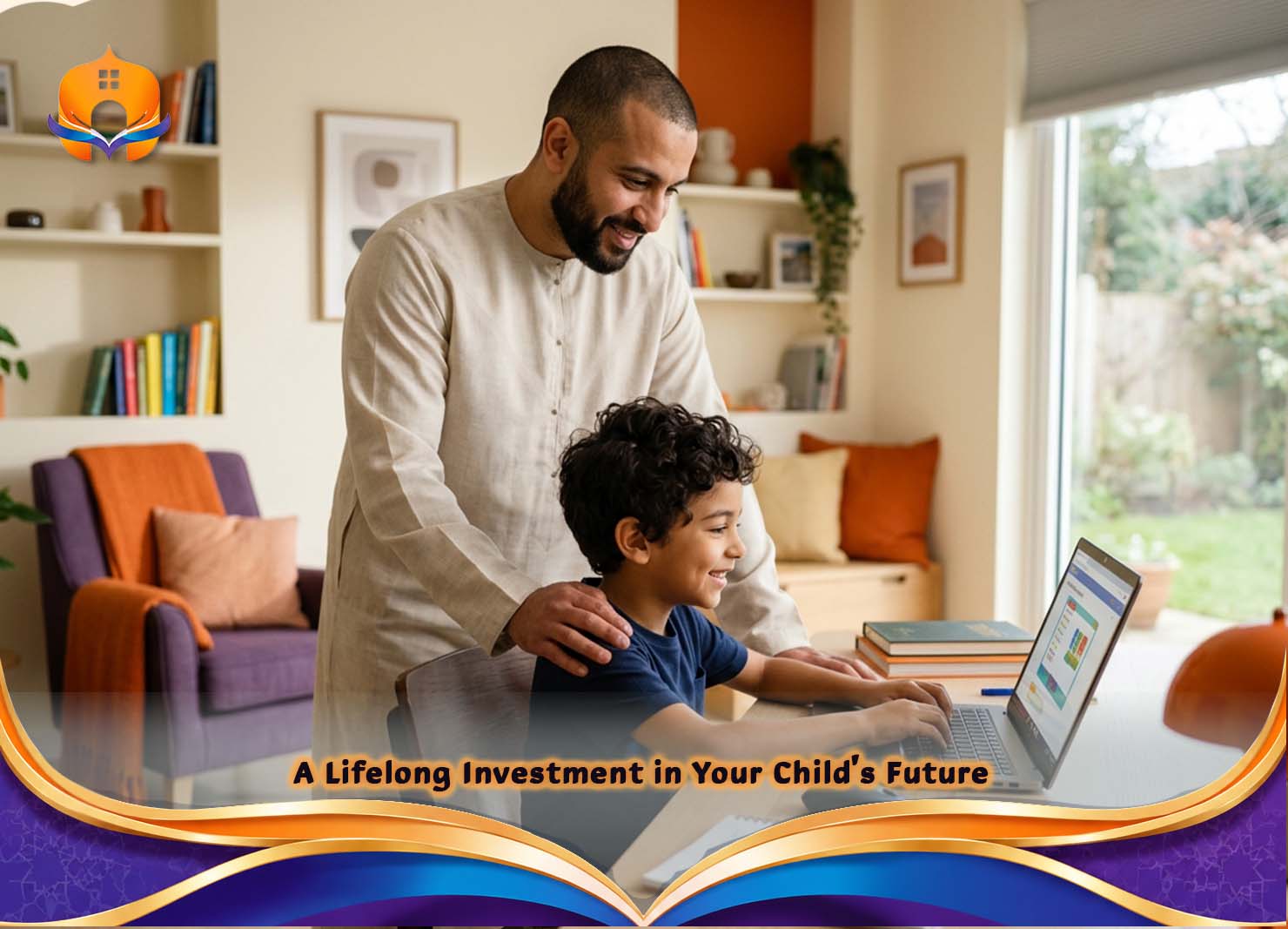
Choosing an Islamic studies course for kids is one of the most valuable investments parents can make. Islamic education shapes far more than a child’s religious knowledge; it influences character, decision-making, relationships, and personal values for years to come.
When children understand their faith, they become more confident in their identity, more compassionate toward others, and better prepared to face life’s challenges with patience and trust in Allah. The lessons they learn in Quran Online for Adults today continue guiding them throughout adolescence and adulthood.
A strong Islamic foundation also encourages continuous learning. As children grow older, they become more interested in studying the Quran, Hadith, Islamic history, and other branches of Islamic knowledge, turning education into a lifelong journey. Parents can teach Islam to kids through engaging lessons, stories, and interactive activities.
Frequently Asked Questions: Islamic Studies for Kids Course
The Frequently Asked Questions (FAQ) section provides clear and direct answers to the most common inquiries, helping users quickly and easily understand the service.
How old should a child be to start learning Islamic studies?
Many children can begin learning simple Islamic concepts between the ages of four and six. Lessons should always match the child’s maturity and learning ability, focusing first on basic beliefs, daily duas, and good manners.
How much time should children spend studying Islamic subjects each week?
Consistency is more important than long study sessions. Two or three well-structured lessons each week, combined with short daily practice at home, are often enough to build steady progress without overwhelming young learners.
Can parents support Islamic education even if they are not Islamic scholars?
Absolutely. Parents can encourage regular practice, review simple lessons, read Islamic stories together, and create a positive environment that motivates children to continue learning. Their encouragement and example have a significant impact on a child’s educational journey.
In conclusion, providing children with a strong Islamic education is one of the greatest gifts parents can offer. It helps them develop sincere faith, excellent character, and the confidence to make the right choices throughout their lives.
With consistent learning, family support, and guidance from qualified teachers, children gain knowledge that benefits them both in this world and in the Hereafter. House Online Quran Academy UK is committed to making Islamic education engaging, structured, and accessible, allowing young learners to build a lasting connection with their faith while continuing their journey of knowledge with confidence.