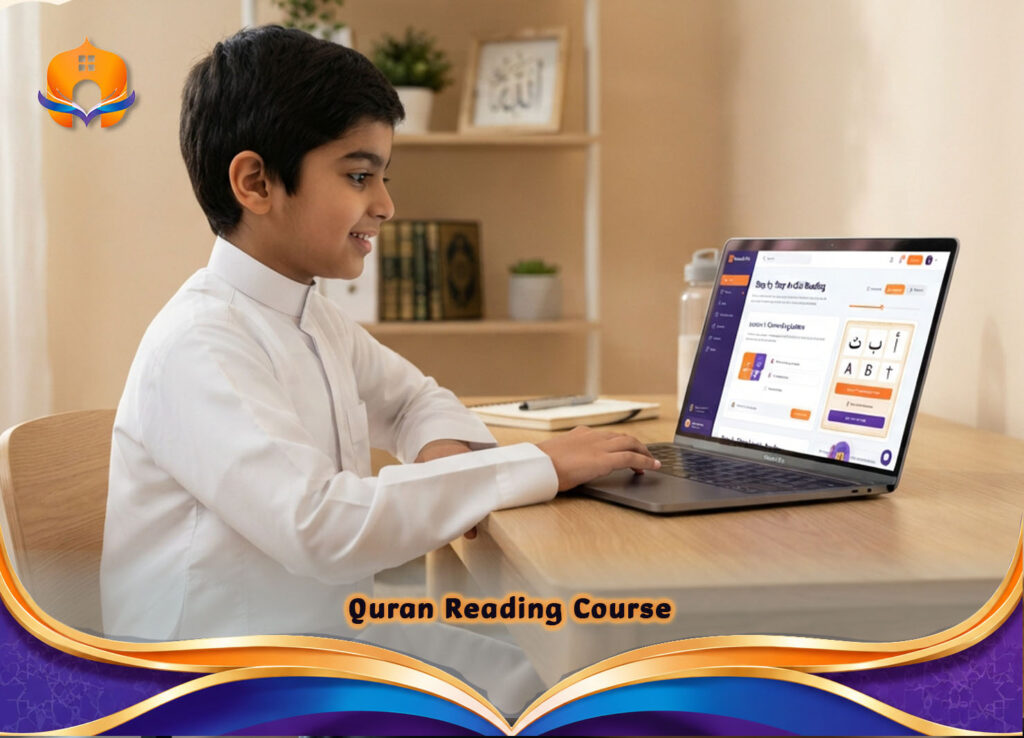
Quran Reading Course is the first step toward learning to read the Quran accurately and confidently. Whether you are a complete beginner, a parent looking for lessons for your child, or an adult returning to Quran study after many years, choosing the right course can make your learning journey easier and more rewarding. Quran House Academy offers a structured learning environment that helps students build strong Quran reading skills from the very beginning.
Reading the Quran is more than recognizing Arabic letters. It involves mastering correct pronunciation, developing proper recitation habits, and building the confidence to read the words of Allah with accuracy. A structured learning program helps students progress step by step under the guidance of qualified teachers, preventing common mistakes and creating a solid foundation for future Tajweed and Quran memorization. For learners who want to go further, take a look at our when the quran feels empty.
In this guide, you will discover how a beginner-friendly course works, what happens during each lesson, how long it typically takes to become a confident reader, and the qualities that make a course suitable for learners of all ages. With expert guidance from Quran House Academy and consistent practice, anyone can successfully begin their Quran reading journey.
Why Learning Quran Reading Matters?
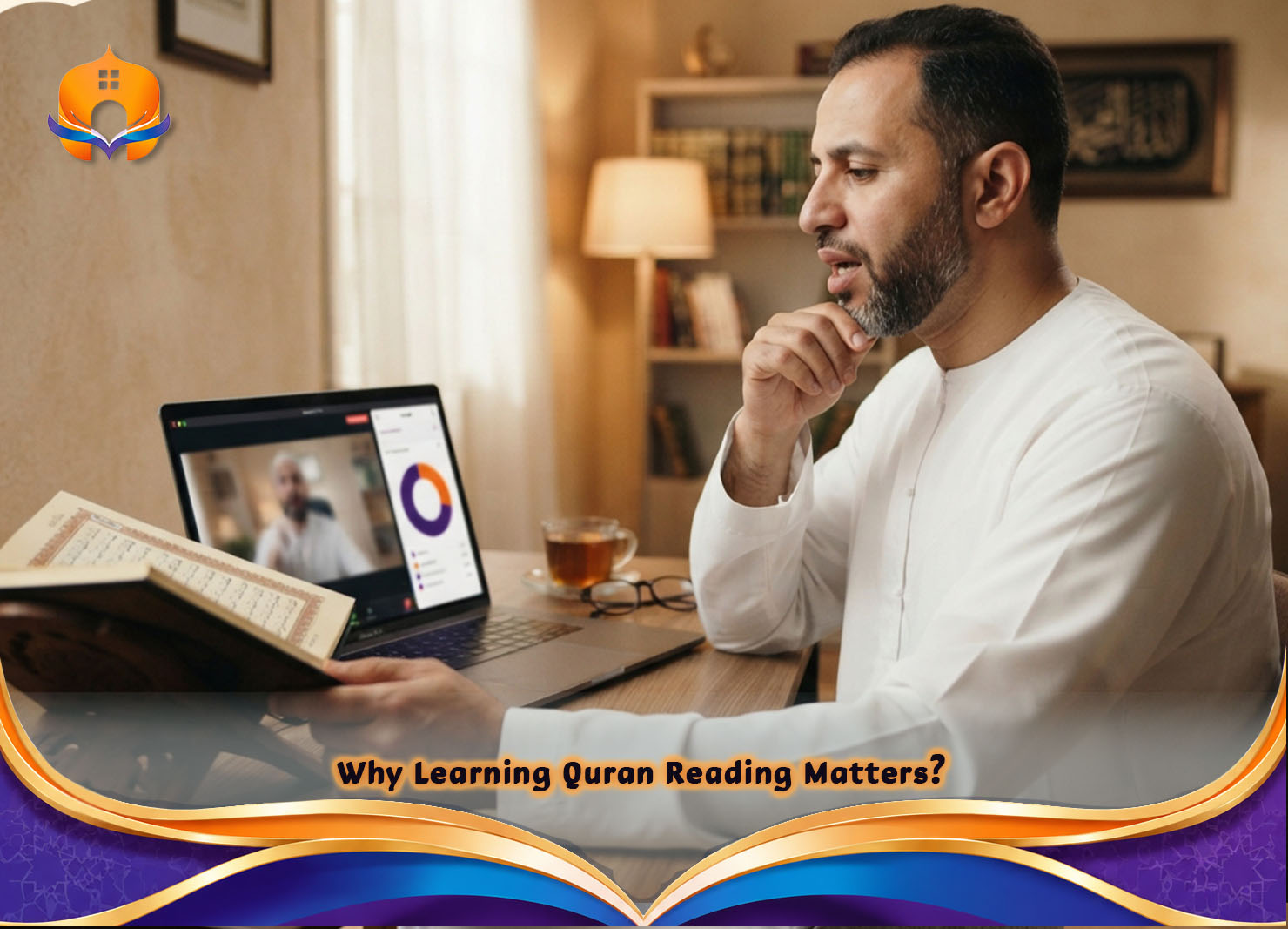
The Quran is the foundation of a Muslim’s faith. Every prayer includes Quranic recitation, making correct reading an essential skill for every Muslim. While memorization and understanding are important goals, they all begin with learning to read accurately. If this is an area you’d like to explore in more depth, check out our reading quran without hijab.
Many people assume that learning to read the Quran is only for children. In reality, students begin at every stage of life. Some start during early childhood, while others begin in adulthood after realizing they never had the opportunity to receive proper instruction. Islam encourages every sincere effort to learn the Quran regardless of age or previous experience. Many students pair this with our reading quran silently in your head to round out their learning.
A strong reading foundation benefits every future stage of Islamic learning. Once students become comfortable reading Arabic text correctly, they can move naturally toward Tajweed, memorization, Tafsir, and Arabic language studies. Our can a cat touch the quran can be a good complement for anyone following this path.
Rather than rushing through difficult material, successful learners focus on building one skill at a time. This gradual approach creates confidence and reduces frustration, allowing students to enjoy steady progress throughout their learning journey. Those who found this helpful often continue with our eating while reading quran.
Start Your Quran Learning Journey Today
Begin your Quran learning journey with confidence through well-organised and structured lessons designed specifically for beginners and gradual learners. Whether your goal is to improve pronunciation, master Tajweed rules, or learn to read the Quran step by step, Quran House Academy provides clear and easy guidance within a supportive and flexible learning environment. This connects closely with our online quran classes for adults, which many find useful.
With experienced and qualified teachers, personalised one-on-one sessions, and a calm teaching approach, students of all ages can develop strong Quran reading skills from the comfort of their homes. Start today and move forward steadily toward accurate and fluent recitation through a structured system focused on consistency, improvement, confidence, and long-term success.

What Is a Quran Reading Course?
A quran reading course is a structured educational program designed to teach students how to read the Holy Quran accurately from the beginning. Unlike random online videos or self-paced applications, a complete course follows a logical sequence that helps learners master every stage before moving to the next. Most beginner courses include:
- Learning the Arabic alphabet.
- Correct pronunciation of every letter.
- Short and long vowel sounds.
- Connecting letters into words.
- Reading complete Quranic verses.
- Introduction to essential Tajweed rules.
- Continuous correction by an experienced teacher.
- Regular practice and progress assessments.
Each lesson builds upon previous lessons, ensuring students never feel overwhelmed. Instead of guessing pronunciation or developing incorrect habits, learners receive immediate feedback that helps them improve naturally over time.
The goal is not simply finishing a curriculum but developing the confidence to open the Mushaf and read independently with accuracy and fluency.
Why does Structured Learning Produce Better Results?
Many beginners download mobile applications or watch free video lessons hoping they can teach themselves. While these resources can provide additional practice, they rarely replace the guidance of a qualified teacher.
Arabic pronunciation includes several letters that sound very similar to new learners. Without correction, students often repeat the same mistakes hundreds of times until those mistakes become permanent habits.
A structured learning environment solves this problem because every lesson includes direct feedback. Teachers identify pronunciation errors immediately and explain how to produce each sound correctly before students continue practicing.
Another major advantage is consistency. Many self-learners study enthusiastically for a few weeks before losing motivation because they have no schedule or accountability. Organized lessons create a regular routine that encourages continuous improvement.
Students also avoid unnecessary confusion because every lesson follows a carefully planned sequence. They never skip important fundamentals or study advanced material before mastering the basics.
Who Can Benefit from a Quran Reading Course?
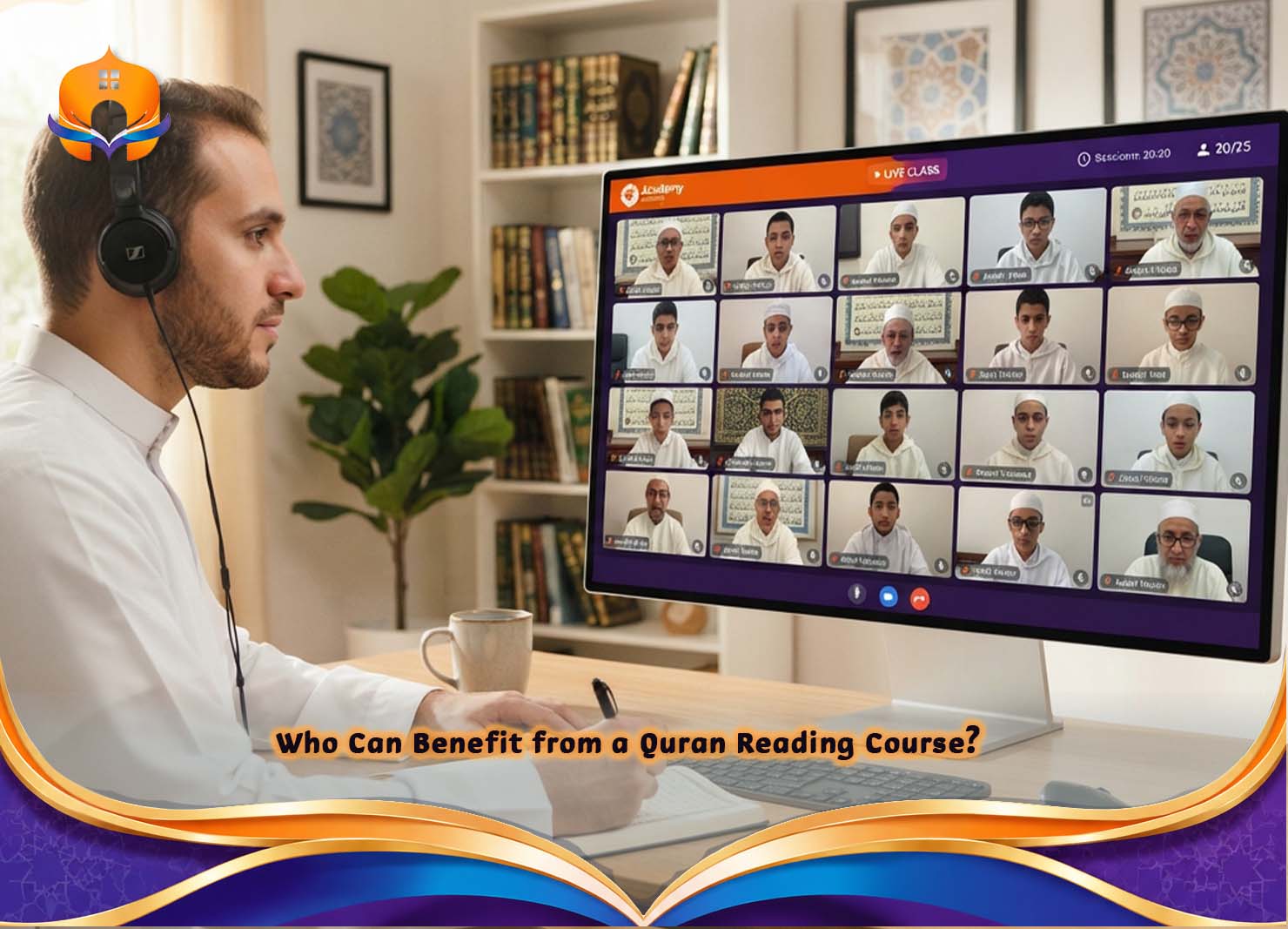
One of the greatest strengths of modern Quran learning for kids education is its accessibility. Students from different countries, educational backgrounds, and age groups can all begin learning successfully.
Children
Children often learn pronunciation naturally because their listening abilities are highly developed. Short, engaging lessons help them recognize Arabic letters, develop confidence, and establish positive learning habits from an early age.
Interactive teaching methods, visual materials, and regular encouragement make learning enjoyable while gradually preparing children for independent Quran reading.
Teenagers
Teenagers who never received formal quran memorization course education can progress surprisingly quickly. Their ability to understand explanations allows them to connect new concepts efficiently while correcting previous reading mistakes.
Many teenagers appreciate individualized lessons because they can ask questions comfortably without feeling embarrassed about their current level.
Adults
Adult learners frequently worry that they are too old to begin learning. Fortunately, this concern is unnecessary. Thousands of adults successfully learn to read the Quran every year.
Adults often demonstrate remarkable commitment because they understand the importance of their studies. Although pronunciation may require additional practice compared to younger learners, discipline and consistency frequently help adults achieve excellent results.
Many students discover that beginning later in life actually increases their appreciation of every lesson because they understand the spiritual value behind each new skill they acquire.
Common Challenges Beginners Face
Every beginner enrolled in a quran reading course encounters obstacles during the learning process. Understanding these challenges beforehand makes them much easier to overcome and helps students progress with greater confidence.
Fear of Making Mistakes
Many new students in a quran reading course hesitate to read aloud because they worry about incorrect pronunciation. This fear often disappears after only a few lessons when learners realize that mistakes are an expected part of the educational process.
Qualified teachers create supportive environments where correction becomes an opportunity for improvement rather than criticism, allowing students to build confidence while improving their Quran recitation with Tajweed.
Confusing Similar Letters
Arabic contains several letters with subtle pronunciation differences. Beginners commonly confuse letters produced from nearby points in the mouth or throat. A structured quran reading course includes repeated listening exercises, live correction, and guided practice that gradually train the ear to recognize these important distinctions.
Remembering Letter Shapes
Unlike English, Arabic letters change appearance depending on their position within a word. Initially, this seems difficult for many learners.
However, students quickly recognize patterns through repeated exposure. With guided practice and continuous revision during a quran reading course, connected letters soon become familiar instead of confusing, making reading smoother with every lesson.
Maintaining Consistency
One of the biggest reasons students struggle is inconsistent practice. Reading once a week rarely produces lasting improvement.
Even fifteen or twenty minutes of daily revision often lead to better long-term progress than occasional lengthy study sessions. Following the schedule provided by a quran reading course helps students develop a consistent learning routine that leads to steady improvement over time.
The Step-by-Step Learning Journey
Every successful learner follows a clear progression instead of trying to master everything simultaneously. A well-structured quran reading course guides students through each stage in the correct order, ensuring they build strong reading skills before moving on to more advanced lessons.
Learning Individual Letters
Students first become familiar with the twenty-eight Arabic letters. They learn each letter’s name, pronunciation, and correct articulation point. Every quran reading course begins with this essential foundation because accurate pronunciation at this stage supports every future lesson and helps students avoid mistakes later. Teachers spend sufficient time on this stage because strong pronunciation is the key to confident Quran reading.
Mastering Vowel Marks
After recognizing letters, students learn short vowels, long vowels, Sukoon, Shaddah, and Tanween. These symbols transform isolated letters into complete sounds, allowing learners to begin reading simple combinations.
A comprehensive quran reading course provides regular reading exercises that reinforce these vowel marks through repetition, helping students develop confidence before moving on to complete Quranic words.
Joining Letters Together
The next milestone involves reading connected words rather than isolated letters. Students discover how letter shapes change according to their position while practicing increasingly longer words until reading becomes more natural.
As learners continue practicing throughout the quran reading course, they gradually stop reading letter by letter and begin recognizing complete Arabic words with greater speed and accuracy.
Reading Short Quranic Passages
Once learners demonstrate confidence with connected words, they begin reading directly from the Quran under teacher supervision. At this stage, fluency develops steadily through repetition, correction, and continuous encouragement.
Reading directly from the Mushaf is one of the most rewarding milestones in a quran reading course, as students finally apply the skills they have developed and gain the confidence to continue improving their Quran recitation independently.
Why Does Live Teacher Feedback Make a Difference?
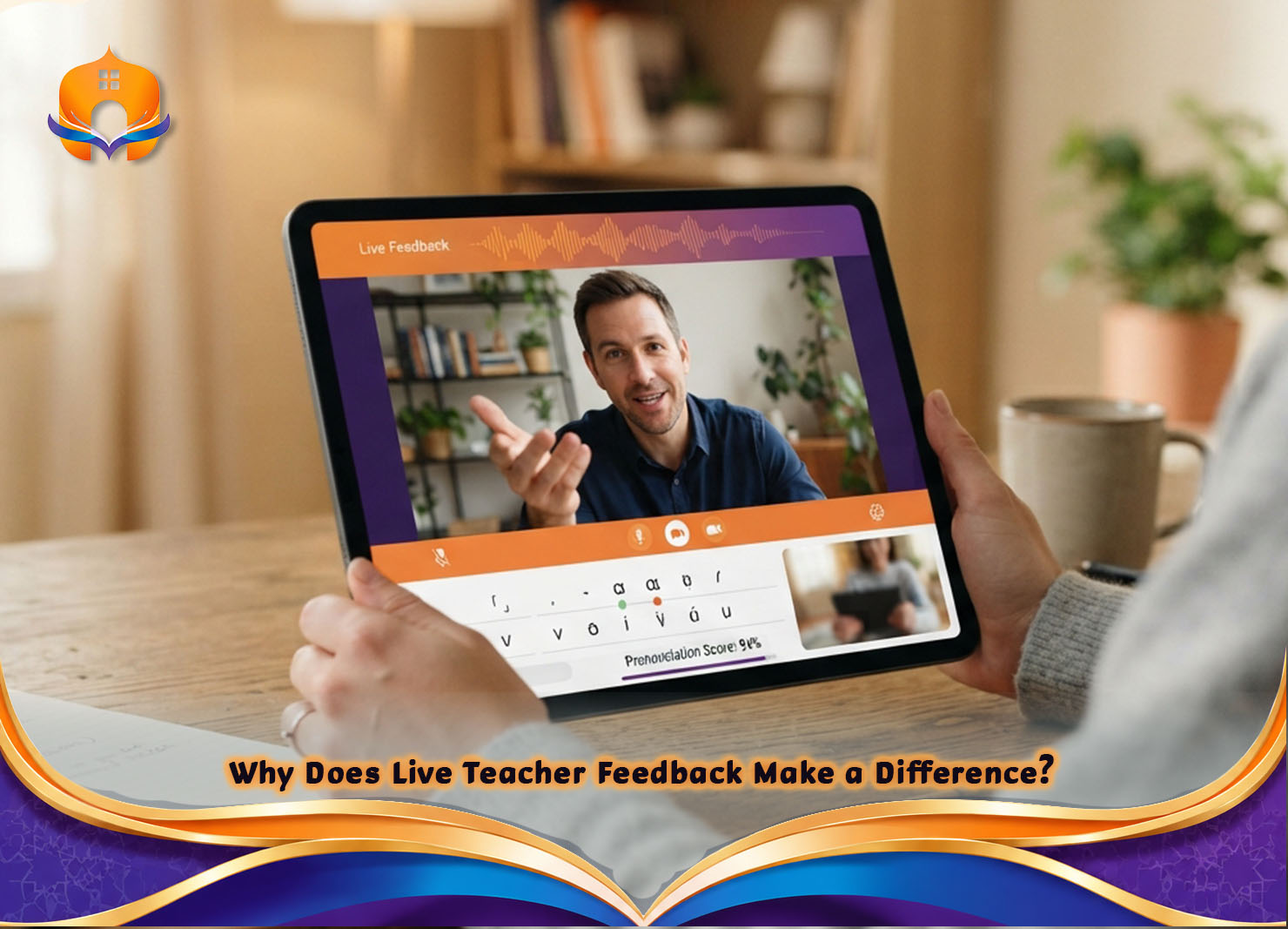
Choosing a quran reading course with live instruction provides advantages that recorded videos simply cannot offer.
Teachers listen carefully to every word students read. They notice pronunciation mistakes immediately, explain the correct articulation, demonstrate proper recitation, and ask students to repeat until accuracy improves.
A live video call each week keeps you accountable in a way self-study can’t. Our Skype Quran classes work exactly this way.
- This immediate correction prevents incorrect habits from becoming permanent.
- Live lessons also allow teachers to adapt according to each student’s learning speed.
- Some learners master new concepts quickly and move ahead confidently.
- Others need additional revision before progressing.
Personalized instruction ensures every student builds a strong foundation instead of rushing through lessons without understanding them.
This flexibility is one of the primary reasons many families now prefer online Noorani Qaida for kids Quran education over traditional one-size-fits-all classroom instruction.
Learning from Home Has Changed Quran Education
Technology has transformed the way Muslims around the world access qualified Quran teachers. Students no longer need to travel long distances or wait for limited local class schedules.
Instead, they can learn from home using a computer, tablet, or smartphone while receiving personalized instruction from experienced tutors. This flexibility benefits working professionals, university students, parents, and children with busy schedules.
Families can arrange lesson times that fit comfortably into their daily routines, making long-term consistency much easier to maintain.
Another significant advantage is access to experienced teachers regardless of geographic location. Students living in areas with limited Islamic educational resources can now receive the same quality instruction available elsewhere.
As online education continues to improve, more learners are discovering that virtual quran with tajweed course classes provide convenience without sacrificing educational quality.
What Happens During a Typical Quran Reading Lesson?
Many beginners imagine that a Quran lesson simply involves reading aloud while the teacher listens. In reality, a well-designed lesson follows a structured sequence that helps students improve steadily without feeling overwhelmed. Every activity has a purpose, and each lesson builds naturally on the previous one.
A typical quran reading course begins with a brief review of the previous lesson. Revising earlier material helps students strengthen their memory and prevents them from forgetting pronunciation rules they have already learned.
After the review, the teacher introduces a small amount of new material. Rather than presenting many concepts at once, experienced instructors focus on one objective at a time. This gradual approach allows students to understand every lesson before progressing further.
The reading practice comes next. Students read aloud while the teacher listens carefully, correcting pronunciation mistakes immediately. Instant feedback is one of the greatest advantages of live instruction because learners can correct errors before they become habits.
Toward the end of the lesson, the teacher assigns practical exercises for home practice. These activities reinforce what was learned during class and prepare students for the following session.
Over time, this consistent learning cycle produces remarkable improvement. Even beginners who initially struggle with recognizing Arabic letters gradually become comfortable reading complete Quranic passages.
The Stages of Learning Inside a Quran Reading Course
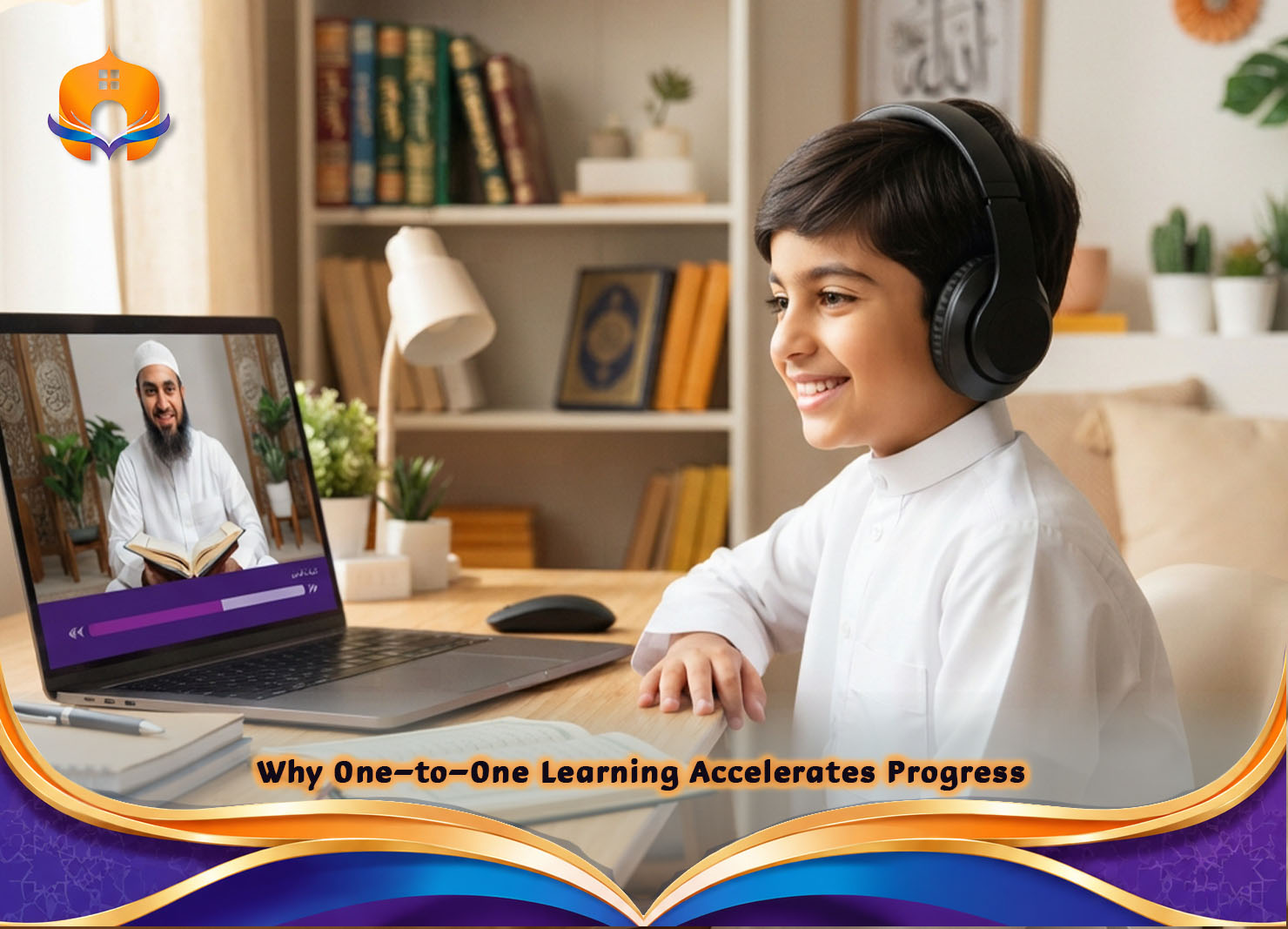
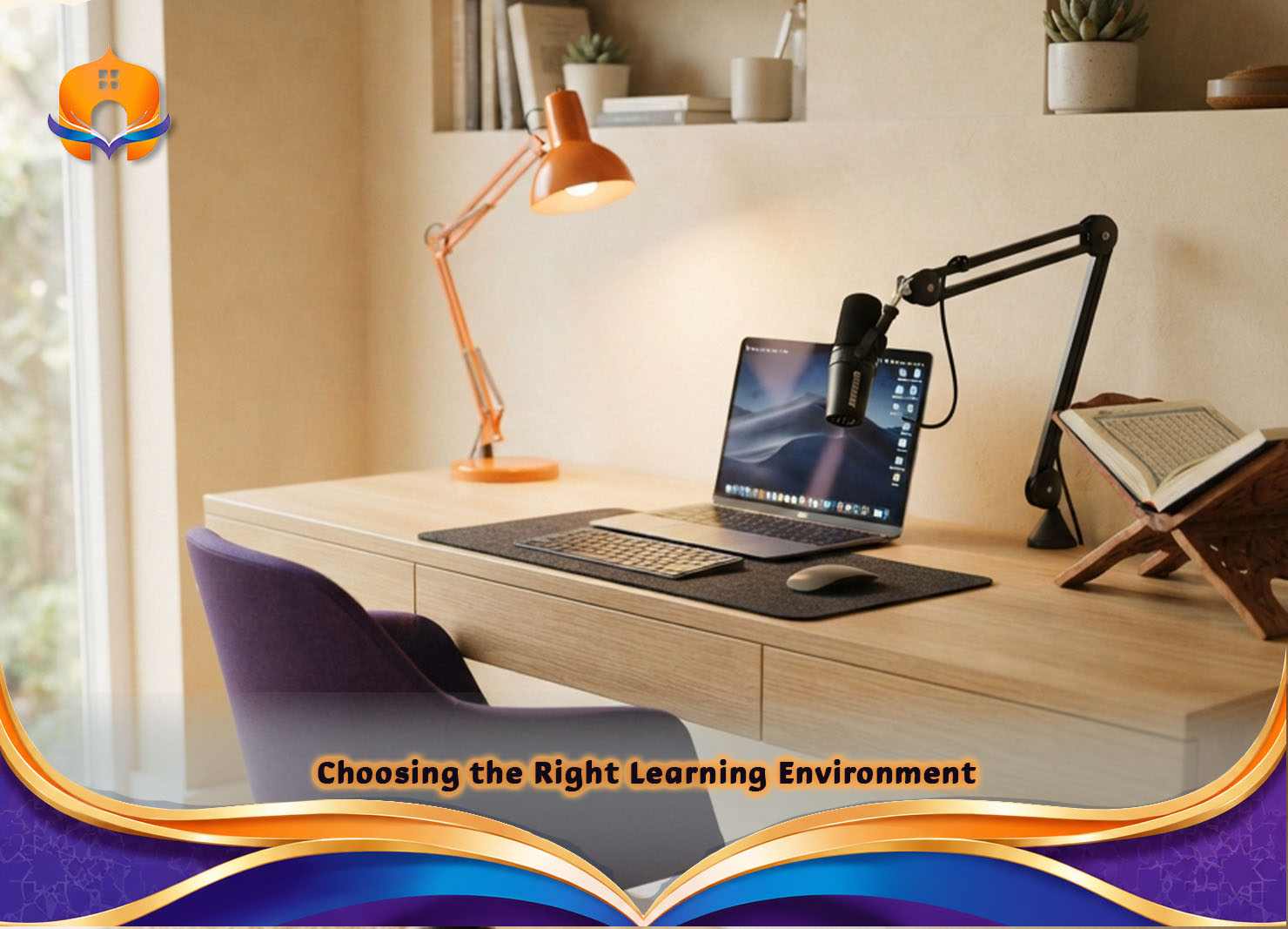
Why do families choose Quran House Academy?
Selecting the right educational environment is just as important as choosing the course itself. Many families look for experienced teachers, flexible scheduling, structured lesson plans, and personalized instruction that accommodates different learning styles.
Quran House Academy provides a learning experience designed for beginners and advanced students alike. Lessons follow a clear progression, allowing learners to build confidence step by step instead of feeling overwhelmed by difficult material.
Students also benefit from individualized attention, regular assessments, and live correction that helps improve pronunciation from the earliest lessons. This personalized approach enables every learner to progress according to their own pace while maintaining a strong educational foundation.
Parents appreciate the flexibility of online scheduling because it allows children to study consistently without disrupting school or family commitments. Adult learners also enjoy the convenience of arranging lessons around work and personal responsibilities.
As a result, Quran House Academy has become a suitable choice for students seeking structured Quran education supported by qualified teachers and an organized curriculum.
How to Choose the Right Quran Reading Course?
With the growing number of online learning platforms, selecting the right program can feel overwhelming. While many courses promise fast results, the best choice is not necessarily the shortest or the cheapest. Instead, students should look for a learning experience that builds strong reading skills step by step.
Before enrolling, consider whether the course offers qualified teachers who have experience working with beginners. Teaching someone who has never read Arabic requires patience, clear explanations, and the ability to correct pronunciation in a supportive manner.
Another important factor is lesson structure. A quality quran reading course follows a logical sequence, beginning with the Arabic alphabet before introducing vowels, connected letters, Quranic words, and basic Tajweed. Programs that move too quickly often leave students with gaps in their knowledge that become difficult to correct later.
Scheduling flexibility is also essential. Students who can arrange lessons around school, work, or family responsibilities are more likely to remain consistent throughout their learning journey. Regular attendance plays a greater role in long-term success than completing many lessons within a short period.
Progress tracking is another feature worth considering. Knowing which skills have been mastered and which require additional practice helps students stay motivated while giving teachers a clear roadmap for future lessons.
Signs That a Course Is Beginner-Friendly
Choosing the right quran reading course is essential for beginners who want to build strong Quran reading skills from the very beginning. A beginner-friendly course should assume that students have no previous knowledge of Arabic and start with the alphabet before introducing words and Quranic verses.
A high-quality quran reading course also provides live reading practice with immediate correction. Since Quran reading is a practical skill, students benefit most when teachers listen carefully, correct mistakes, and explain proper pronunciation during every lesson.
Another sign of an effective quran reading course is personalized instruction. Every learner progresses at a different pace, so experienced teachers should adapt lessons to meet individual needs while encouraging students to ask questions and practice confidently.
In addition, a reliable quran reading course emphasizes understanding rather than speed. Students should master each lesson before moving on to more advanced topics, creating a solid foundation for future Tajweed and Quran memorization.
Finally, the best quran reading course offers regular progress assessments and consistent encouragement. This helps learners stay motivated, improve their reading accuracy, and develop confidence throughout their learning journey. By choosing a well-structured quran reading course, beginners can enjoy steady progress and build lifelong Quran reading skills.
The Benefits of Learning with Experienced Teachers
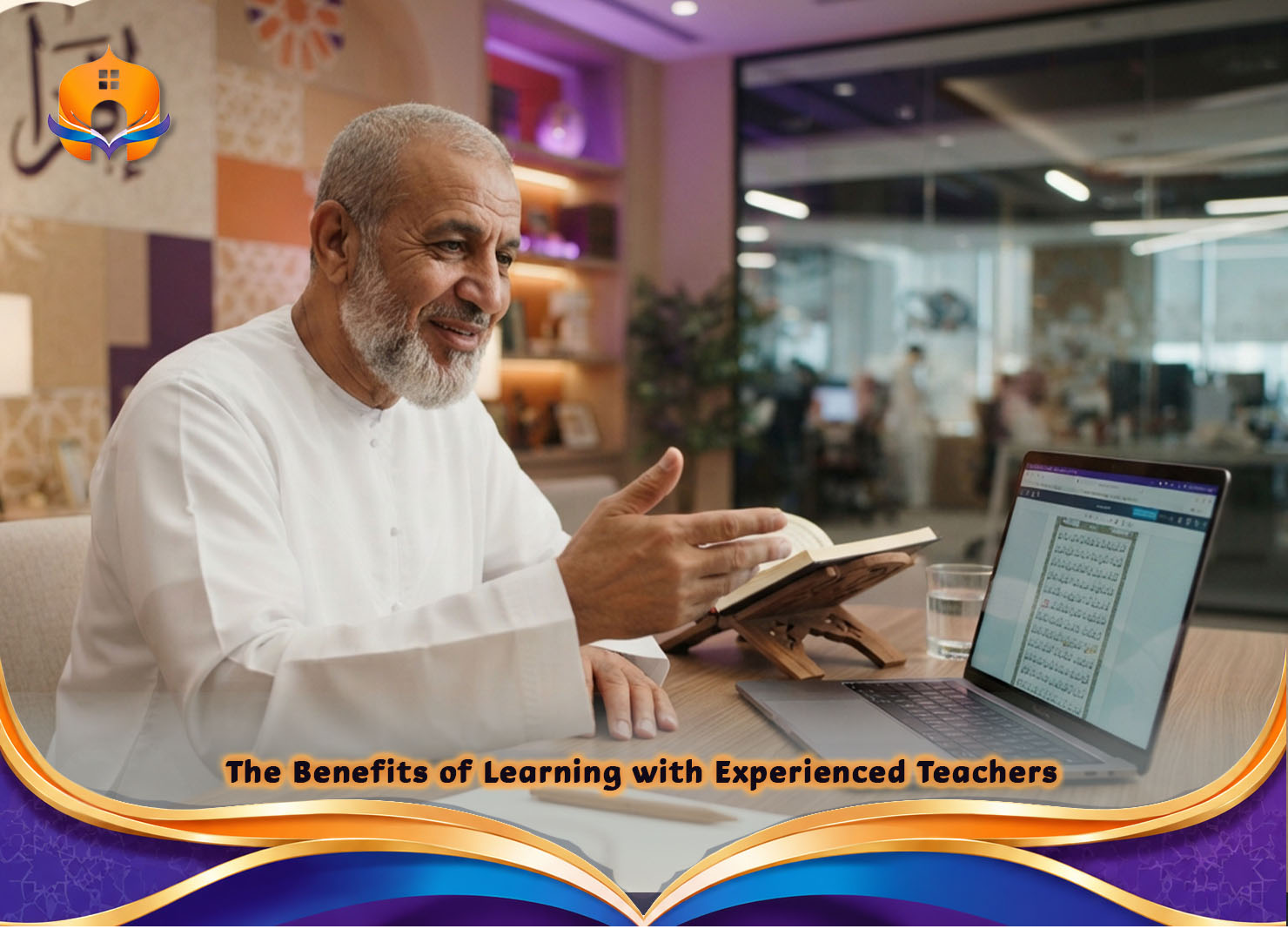
Experienced teachers play a vital role in the success of every quran reading course. They do more than explain lessons, they guide students through each stage of learning with patience and personalized support. By identifying pronunciation mistakes early, they help learners develop correct reading habits from the beginning.
A professional quran reading course also allows teachers to adjust lessons according to each student’s pace and ability. Beginners receive extra guidance when needed, while faster learners can continue progressing with confidence.
Another advantage of a quran reading course is the encouraging learning environment created by qualified instructors. Instead of feeling discouraged by mistakes, students gain confidence through constructive feedback and regular practice.
With continuous assessment and expert guidance, a quran reading course helps learners improve their pronunciation, reading fluency, and overall confidence. This strong foundation prepares students for future Tajweed studies, Quran memorization, and lifelong Quran learning.
Building Lifelong Reading Skills
Learning to read the Quran is not a short-term achievement. It is a lifelong skill that continues to improve through regular practice.
Once students complete the foundational stages, they often discover that reading becomes easier with every passing month. Familiar words appear more frequently, pronunciation grows more natural, and confidence increases during recitation.
Many graduates continue strengthening their skills by revising previously learned Surahs, listening to skilled reciters, and studying additional Tajweed rules. These activities transform basic reading ability into fluent and beautiful recitation.
Families also benefit when one member begins learning. Parents often become role models for their children, while siblings encourage one another through shared practice sessions. A commitment to Quran reading can therefore strengthen the spiritual environment of an entire household.
Why Consistency Matters More Than Speed?
Many beginners ask how quickly they can finish a course. Although this question is understandable, experienced teachers often emphasize consistency instead of speed.
Students who practice for twenty minutes every day generally make greater long-term progress than those who study for several hours only once a week. Regular exposure helps the brain retain new information and develop stronger reading habits.
Consistency also builds confidence. Each completed lesson reinforces previous knowledge, making future lessons easier to understand. Over time, even small daily improvements produce significant results.
Rather than comparing your progress with others, focus on maintaining a steady routine. Learning the Quran is a personal journey, and every sincere effort brings valuable rewards.
Continuing Beyond the Beginner Level
Completing the basics of Quran reading marks the beginning of a much broader educational journey. After developing confidence in reading, students often continue with:
- Advanced Tajweed studies.
- Quran memorization (Hifz).
- Arabic language learning.
- Tafsir and Quranic understanding.
- Islamic studies.
Because these subjects all rely on accurate reading skills, investing time in the fundamentals provides long-term benefits across every area of Islamic education. Students who build a strong foundation rarely need to revisit basic pronunciation mistakes later, allowing them to focus on deeper aspects of Quranic learning.
Learning with Quran House Academy
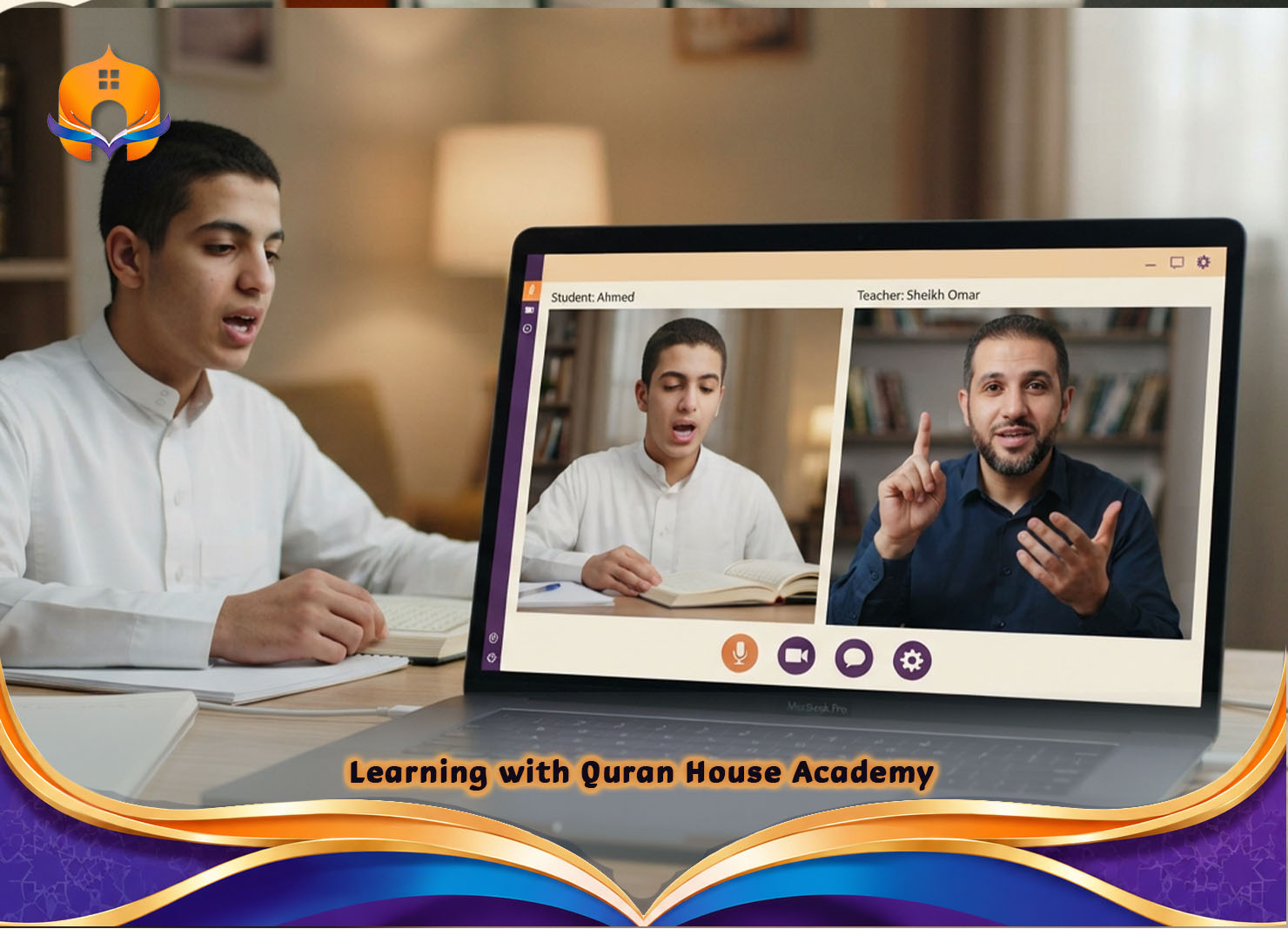
For students searching for a structured learning environment, Quran House online Islamic academy for kids offers a curriculum designed to help beginners progress with confidence. Lessons move systematically from the Arabic alphabet to reading directly from the Mushaf, ensuring that learners understand each stage before advancing.
Qualified teachers provide live feedback throughout every lesson, helping students improve pronunciation, strengthen reading accuracy, and develop confidence through continuous practice. Flexible scheduling also allows children, teenagers, and adults to study at times that fit their daily responsibilities, making long-term consistency easier to maintain.
A supportive learning environment, combined with clear lesson objectives and individualized instruction, enables students to build strong Quran reading skills that serve as the foundation for future Tajweed, memorization, and Islamic studies.
Frequently Asked Questions
1. Can I start learning the Quran if I cannot read Arabic at all?
Yes. Beginner courses are specifically designed for students with no previous knowledge of Arabic. Lessons start with the alphabet before introducing words and Quranic verses.
2. How often should I attend lessons?
Most students benefit from two or three lessons each week combined with short daily revision sessions. Consistent practice usually leads to better progress than studying for long periods less frequently.
3. Do I need special books before my first lesson?
Most teachers recommend a beginner’s Qaida and a standard Mushaf. Some online classes also provide digital learning materials during lessons.
4. Is online Quran learning effective for children?
Yes. Live online lessons allow teachers to hear each student’s recitation, provide immediate corrections, and adapt activities according to the child’s age and learning pace.
5. What should I do after completing a beginner course?
After mastering Quran reading, many students continue studying Tajweed, memorization, Arabic language, or Quranic understanding to deepen their knowledge and strengthen their relationship with the Quran.
In conclusion, beginning the journey of learning the Quran is one of the most meaningful decisions a Muslim can make. Although the first lessons may seem challenging, every confident reader once started by learning a single Arabic letter.
A structured quran reading course provides the guidance, organization, and expert support needed to transform uncertainty into confidence. Through gradual instruction, regular practice, and continuous feedback, students develop the skills necessary to read the Quran accurately and independently.
Success does not depend on age or previous experience. It depends on sincerity, patience, and consistency. By choosing a well-organized learning path and practicing regularly, every student can build a strong connection with the Book of Allah that continues to grow throughout life.