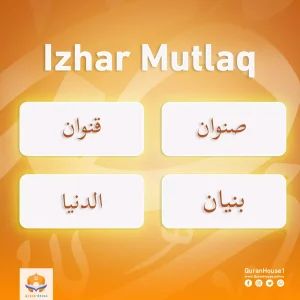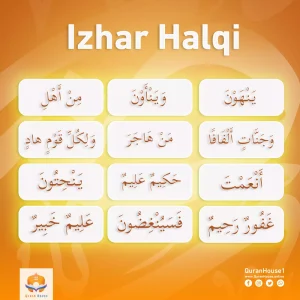

Rules of Tajweed Course at Quran House Academy helps students around the world learn accurate Quran recitation through structured lessons and expert guidance. Reciting the Quran correctly requires more than reading Arabic words; it requires understanding pronunciation rules, articulation points, and the proper way to apply Tajweed principles.
Quran House Academy provides a complete learning experience that combines theoretical knowledge with practical recitation training. Students learn how to pronounce Arabic letters correctly, avoid common mistakes, and improve their reading fluency step by step. For learners who want to go further, take a look at our laam sakinah rules. For learners who want to go further, take a look at our memorizing quran word for word. For learners who want to go further, take a look at our online tajweed course duration. For learners who want to go further, take a look at our izhar halqi. Sessions like these are often led by our tutor Mahmoud Fathi.
The course is suitable for beginners and learners who want to improve their Quran recitation skills. With qualified teachers, personalized feedback, and flexible online classes, students can develop confidence while applying Tajweed rules during their daily Quran reading. If this is an area you’d like to explore in more depth, check out our rules meem sakinah. If this is an area you’d like to explore in more depth, check out our understanding the message of the quran. If this is an area you’d like to explore in more depth, check out our five forts memorizing quran. If this is an area you’d like to explore in more depth, check out our izhar mutlaq.
By joining this program, learners gain the knowledge and practice needed to preserve the beauty of Quranic recitation and build a stronger connection with the Holy Quran. Many students pair this with our arabic understand quran to round out their learning. Many students pair this with our completing vs understanding the quran to round out their learning. Many students pair this with our learning tajweed online to round out their learning.
What Is a Rules of Tajweed Course?

A rules of Tajweed course is an educational program designed to teach Muslims how to read the Holy Quran according to the authentic methods of Quranic recitation. The course focuses on improving pronunciation, understanding letter characteristics, and applying Tajweed principles during daily reading. Our quran and learning arabic can be a good complement for anyone following this path. Our self studying tajweed can be a good complement for anyone following this path.
The term Tajweed comes from an Arabic word that means improvement and perfection. In Quranic studies, it refers to giving every letter its correct rights without adding, removing, or changing its original sound. Those who found this helpful often continue with our reward of learning tajweed. Those who found this helpful often continue with our reading quran like a pure arab.
Unlike ordinary Arabic reading lessons, Tajweed education focuses on detailed pronunciation techniques. Students learn the articulation points of letters, their qualities, and the specific rules that control how sounds connect within Quranic verses. This connects closely with our stopping and starting while reading quran, which many find useful. This connects closely with our obligation of reading with tajweed, which many find useful.
A successful learning program combines explanation, listening exercises, repetition, and direct correction. This approach helps students transform Tajweed knowledge into natural recitation habits. It’s worth pairing this with our mistakes learning quran online for a fuller picture.
Start Your Quran Learning Journey Today
Begin your Quran learning journey with confidence through structured and well-organized lessons designed especially for beginners. Whether your goal is to improve pronunciation, master Tajweed rules, or learn to read the Quran step by step, Quran House Academy provides clear and simple guidance in a supportive and flexible learning environment. For a deeper dive, take a look at our reciting surah kahf.
With experienced and qualified tutors, personalized one-on-one sessions, and a patient teaching style, students of all ages can develop strong Quran reading skills from the comfort of their homes. Start today and make steady progress toward accurate and fluent recitation through a structured system focused on consistency, improvement, confidence, and long-term success. For learners who want to go further, take a look at our surah muzammil.

Why Is Learning Tajweed Important?
The Quran was revealed with precise pronunciation and a specific method of recitation. Learning Tajweed helps preserve this method and protects readers from mistakes that may affect the meaning of verses. If this is an area you’d like to explore in more depth, check out our surah ala.
Many beginners can read Arabic letters but struggle with pronunciation differences between similar sounds. Tajweed training solves this problem by teaching learners how each letter should be produced correctly. Many students pair this with our surah taha to round out their learning.
The main benefits of studying Tajweed include:
- Improving Arabic letter pronunciation.
- Avoiding common Quran recitation errors.
- Increasing confidence while reading.
- Understanding the connection between sounds and meanings.
- Developing consistent daily Quran practice.
- Enhancing concentration during worship.
For many learners, joining a rules of tajweed course creates a clear path that makes the learning process easier and more organized compared with studying alone. Our surah fajr can be a good complement for anyone following this path.
What Will You Learn in a Rules of Tajweed Course?
A complete Tajweed program follows a gradual learning system. Students usually begin with basic pronunciation skills before moving to advanced recitation rules. The main topics often include: Those who found this helpful often continue with our surah taghabun.
Makharij Al-Huroof (Articulation Points)
Students learn where every Arabic letter comes from. This includes the mouth, throat, tongue, and lips. Correct articulation is the foundation of clear Quran reading. This connects closely with our makki madani surahs, which many find useful.
Sifat Al-Huroof (Letter Characteristics)
Learners study the qualities that make letters heavy, light, strong, soft, or emphasized. These characteristics help distinguish between letters with similar sounds. It’s worth pairing this with our are online quran classes halal for a fuller picture.
Noon Sakinah and Tanween Rules
This section explains four important rules:
- Izhar
- Idgham
- Iqlab
- Ikhfa
These rules guide students on how to pronounce Noon Sakinah and Tanween depending on the following letter.
Meem Sakinah Rules
Students learn the three main situations related to Meem Sakinah:
- Ikhfa Shafawi
- Idgham Shafawi
- Izhar Shafawi
Ghunnah and Qalqalah
These lessons teach students how to produce nasal sounds and the slight echo effect found in specific Quranic letters.
Madd Rules
Learners understand how to extend vowel sounds correctly according to different types of lengthening.
A comprehensive rules of tajweed course does not depend only on quran memorization course information. It focuses on continuous application through the Quran reading course practice.
The History and Development of Tajweed
During the time of the Prophet Muhammad ﷺ, companions learned Quran recitation directly from him. Arabic was their natural language, so they understood pronunciation rules through listening and practice.
As Islam expanded to different regions, many non-Arab Muslims began learning the Quran. Because their languages had different sounds and structures, pronunciation mistakes became more common.
To protect authentic Quran recitation, Muslim scholars documented pronunciation principles and organized them into the science of Tajweed. These rules were passed from teacher to student through generations.
Today, a rules of Tajweed course allows students worldwide to access this valuable Islamic tradition through modern educational methods while maintaining the same principles of accurate recitation.
Understanding Makharij: The Foundation of Correct Quran Recitation
One of the first steps in Tajweed education is learning Makharij Al-Huroof, which means the articulation points of Arabic letters. Every letter has a specific place where its sound begins, and producing the letter from the wrong place can change its pronunciation.
A strong understanding of Makharij helps learners avoid common mistakes and develop clear Quran recitation. This is why every effective rules of tajweed course gives special attention to articulation practice before introducing advanced rules.The main articulation areas include:
The Empty Space of the Mouth (Al-Jawf)
The oral cavity produces the long vowel sounds of three letters:
- Alif (ا)
- Waw (و)
- Ya (ي)
These letters require proper control of the voice and correct timing to maintain accurate pronunciation.
The Throat (Al-Halq)
Several Arabic letters originate from different areas of the throat. They include:
- ء
- هـ
- ع
- ح
- غ
- خ
Because these sounds do not exist in many languages, beginners often need additional practice to pronounce them correctly.
The Tongue (Al-Lisan)
The tongue produces the majority of Arabic letters. Different parts of the tongue interact with the upper palate, teeth, and gums to create unique sounds.
For example, some letters may look similar when written but require completely different tongue positions during recitation.
The Lips (Ash-Shafatan)
The lips are responsible for letters such as:
- ب
- م
- و
Learning correct lip movement improves pronunciation and helps students read Quranic words more accurately.
Mastering articulation points creates a strong foundation for every other Tajweed principle. Without correct letter pronunciation, applying advanced rules becomes much more difficult.
Understanding Sifat: The Characteristics of Arabic Letters
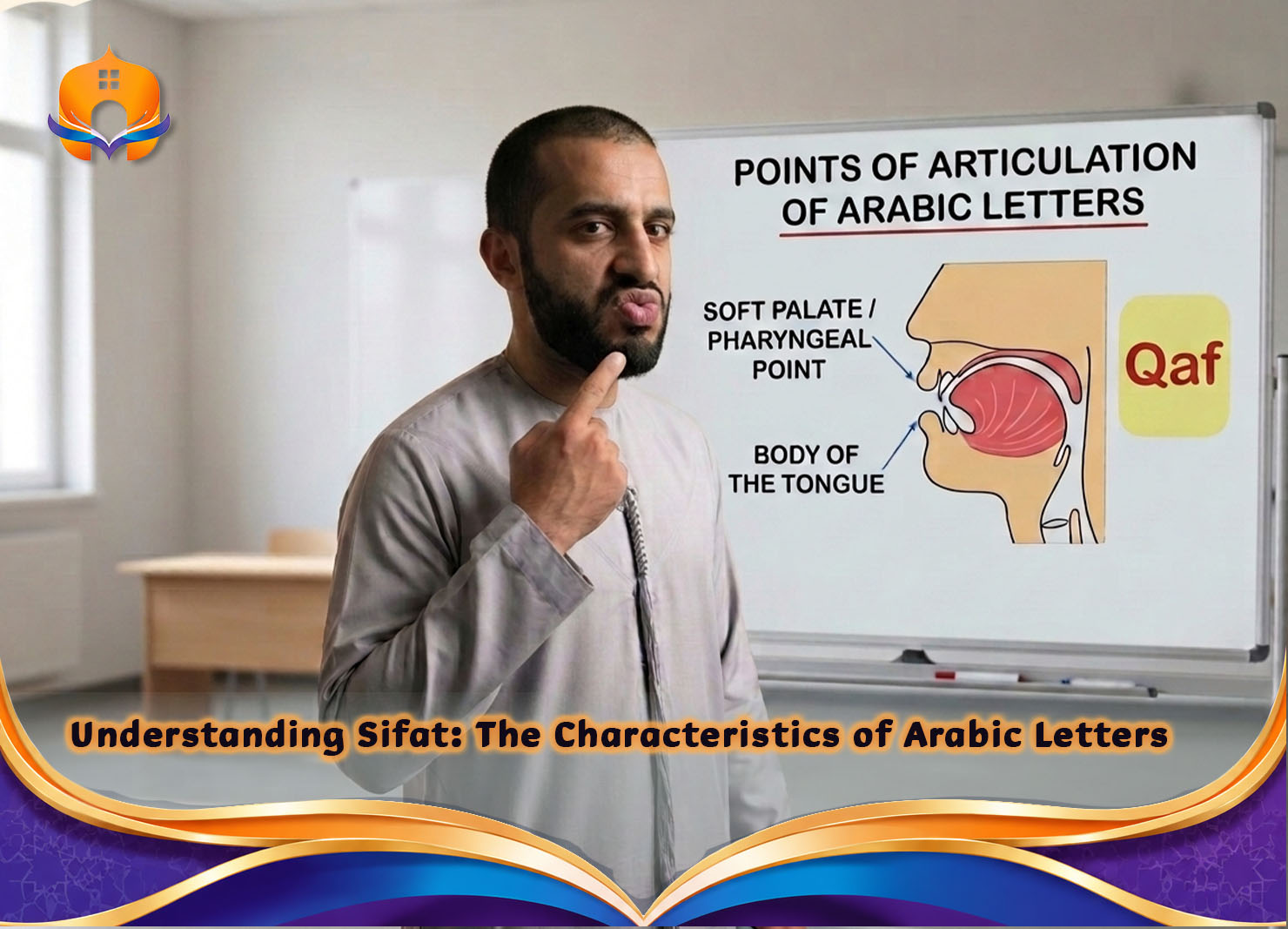
After learning where letters come from, students study Sifat Al-Huroof, which refers to the qualities and features of Arabic letters.
Letter characteristics explain how each sound should be produced. Some letters are naturally:
- Heavy (Tafkheem)
- Light (Tarqeeq)
- Strong
- Soft
- Whispered
- Clear
These qualities help readers recognize differences between letters that may have close articulation points.
For example, the letters س and ص are produced from a similar area, but their characteristics create a noticeable difference in sound. The first is light, while the second has a heavier quality.
A professional rules of Tajweed course includes many practical exercises because understanding letter qualities requires listening, repetition, and teacher correction.
Rules of Noon Sakinah and Tanween
One of the most important sections in Tajweed is learning the rules related to Noon Sakinah and Tanween.
Noon Sakinah refers to the letter ن with a Sukoon, while Tanween refers to the double vowel marks that create an additional Noon sound at the end of certain words. When Noon Sakinah or Tanween is followed by another letter, one of four rules is applied:
Izhar (Clear Pronunciation)
Izhar means clarity. It occurs when Noon Sakinah or Tanween is followed by one of the six throat letters:
ء، هـ، ع، ح، غ، خ
In this case, the Noon sound is pronounced clearly without merging or hiding.This rule teaches students how to maintain the original sound of the letter while moving smoothly between words.
Idgham (Merging)
Idgham means combining one sound with another. It happens when Noon Sakinah or Tanween is followed by one of these letters:
ي، ر، م، ل، و، ن
Instead of separating both sounds, the Noon sound merges into the following letter. Idgham has two categories:
Reading the rules is a good start, but guided practice speeds things up. Our online tajweed course gives you that hands-on correction each week.
Idgham With Ghunnah
This occurs with:
- ي
- ن
- م
- و
The merged sound includes a nasal tone known as Ghunnah.
Idgham Without Ghunnah
This occurs with:
- ل
- ر
The sounds merge without nasalization. Many beginners find Idgham difficult at first because it requires accurate timing. Regular listening and repetition make this rule easier to apply during Quran reading.
What Is Iqlab in Tajweed?
Iqlab is another important rule connected to Noon Sakinah and Tanween. The word means changing or converting. It occurs when Noon Sakinah or Tanween is followed by the letter ب.
Instead of pronouncing Noon directly, the sound changes into a hidden Meem accompanied by Ghunnah.Although this change is subtle, it creates a smoother transition between letters and maintains the correct rhythm of Quran recitation.
Students studying through a structured rules of tajweed course usually practice Iqlab through selected Quranic examples until the pronunciation becomes natural.
What Is Ikhfa?
Ikhfa means concealment. It occurs when Noon Sakinah or Tanween is followed by one of fifteen specific Arabic letters.
During Ikhfa, the Noon sound is not completely clear and not completely merged. Instead, it remains partially hidden with a controlled nasal sound.
The letters of Ikhfa require careful practice because the reader must maintain balance between hiding the sound and preserving its correct quality.
Many learners consider Ikhfa one of the challenging Tajweed rules, but consistent training with a qualified teacher helps students master it effectively.
A complete Tajweed rules course provides repeated exercises to help students recognize Ikhfa naturally while reading different Quranic verses.
The Importance of Practical Tajweed Training
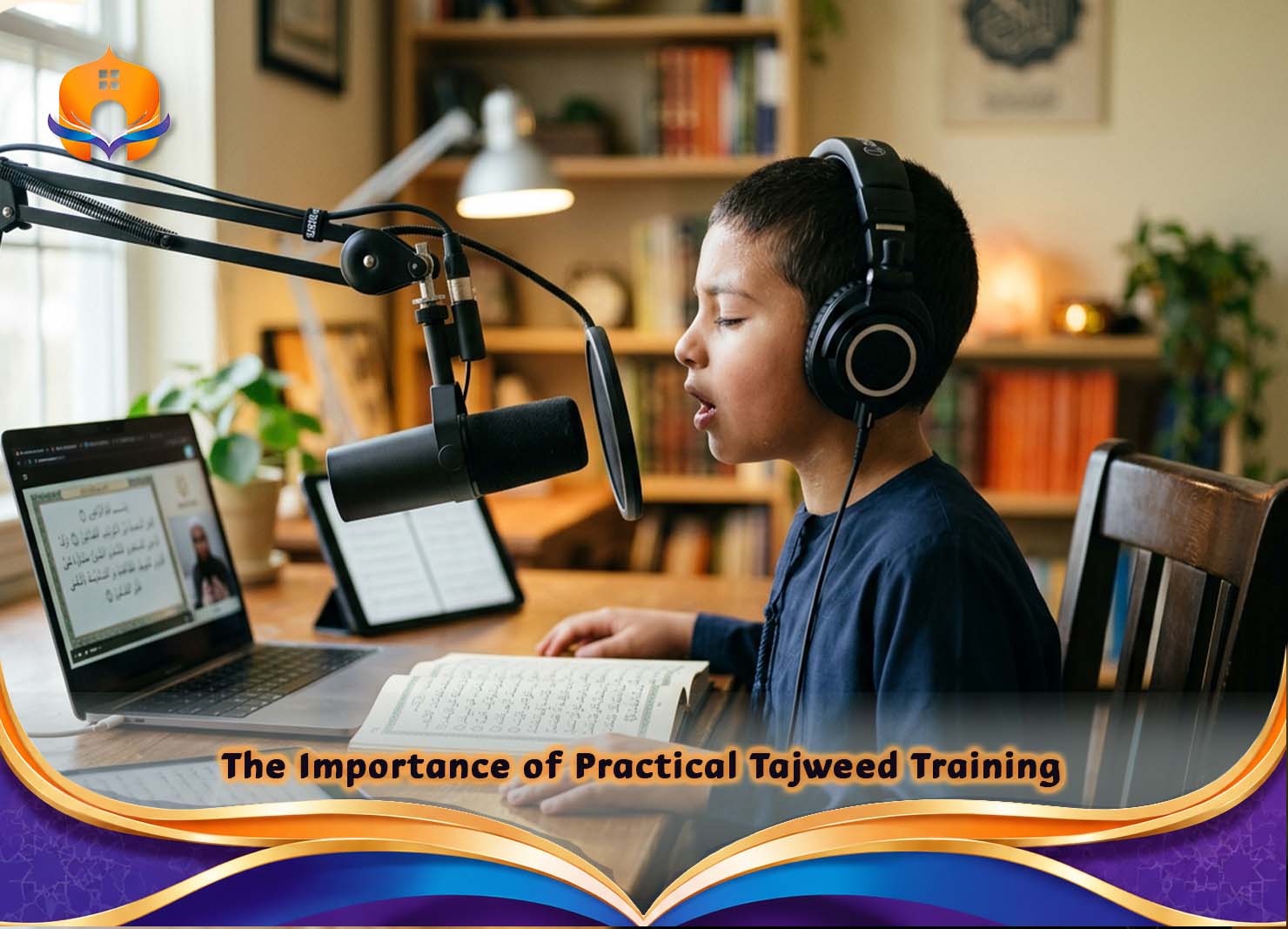
Learning Tajweed rules from books is useful, but practical application is essential. Quran recitation depends heavily on listening and correction. A good learning method includes:
- Reading aloud regularly.
- Listening to expert reciters.
- Recording personal recitation.
- Comparing pronunciation with correct examples.
- Receiving feedback from a qualified teacher.
This combination allows students to identify mistakes that may not be noticeable during silent reading. Online Quran classes in the USA have also made Tajweed education more accessible. Students can now receive direct instruction, flexible schedules, and personalized correction from experienced teachers regardless of their location.
Rules of Meem Sakinah in Quran Recitation
After learning Noon Sakinah and Tanween, students move to another essential topic in Tajweed: Meem Sakinah rules. The letter Meem with Sukoon has specific pronunciation guidelines depending on the letter that comes after it.
Understanding these rules helps readers maintain smooth transitions between words and avoid mistakes during Quran recitation. The three main rules of Meem Sakinah are:
- Idgham Shafawi
- Ikhfa Shafawi
- Izhar Shafawi
A complete rules of tajweed course explains these principles through examples and practical exercises to help students apply them correctly.
Idgham Shafawi
Idgham Shafawi occurs when a Meem Sakinah is followed by another Meem.In this situation, the two Meem letters merge into one sound with a clear Ghunnah. The reader should maintain the nasal sound while connecting the letters smoothly. This rule requires proper control of the lips because both letters share the same articulation point.
Ikhfa Shafawi
Ikhfa Shafawi happens when Meem Sakinah is followed by the letter ب. The Meem sound becomes partially hidden while maintaining Ghunnah. The lips should remain prepared for the following letter without creating an incorrect pronunciation.
Many beginners need additional practice with this rule because the difference between clear pronunciation and concealment is subtle.
Izhar Shafawi
Izhar Shafawi occurs when Meem Sakinah is followed by any Arabic letter except Meem and Ba. In this case, the Meem is pronounced clearly without merging or hiding.
Since this situation appears frequently in the Quran, students usually become comfortable with it through regular reading practice.
Understanding Qalqalah in Tajweed
Qalqalah is one of the well-known features of Quranic pronunciation. It refers to the slight echo or bounce produced when certain letters carry Sukoon. The letters of Qalqalah are:
- ق
- ط
- ب
- ج
- د
These letters are often remembered through the phrase “Qutb Jad.”The purpose of Qalqalah is not to add an extra vowel sound. Instead, it creates a controlled echo that makes the letter clearer. There are different levels of Qalqalah depending on where the letter appears:
- Qalqalah in the middle of a word.
- Qalqalah at the end of a verse during stopping.
Proper practice prevents learners from exaggerating the sound or changing the original pronunciation.
A well-designed rules of tajweed course dedicates practical sessions to Qalqalah because correct application requires listening and repetition.
Understanding Madd: Quranic Lengthening Rules
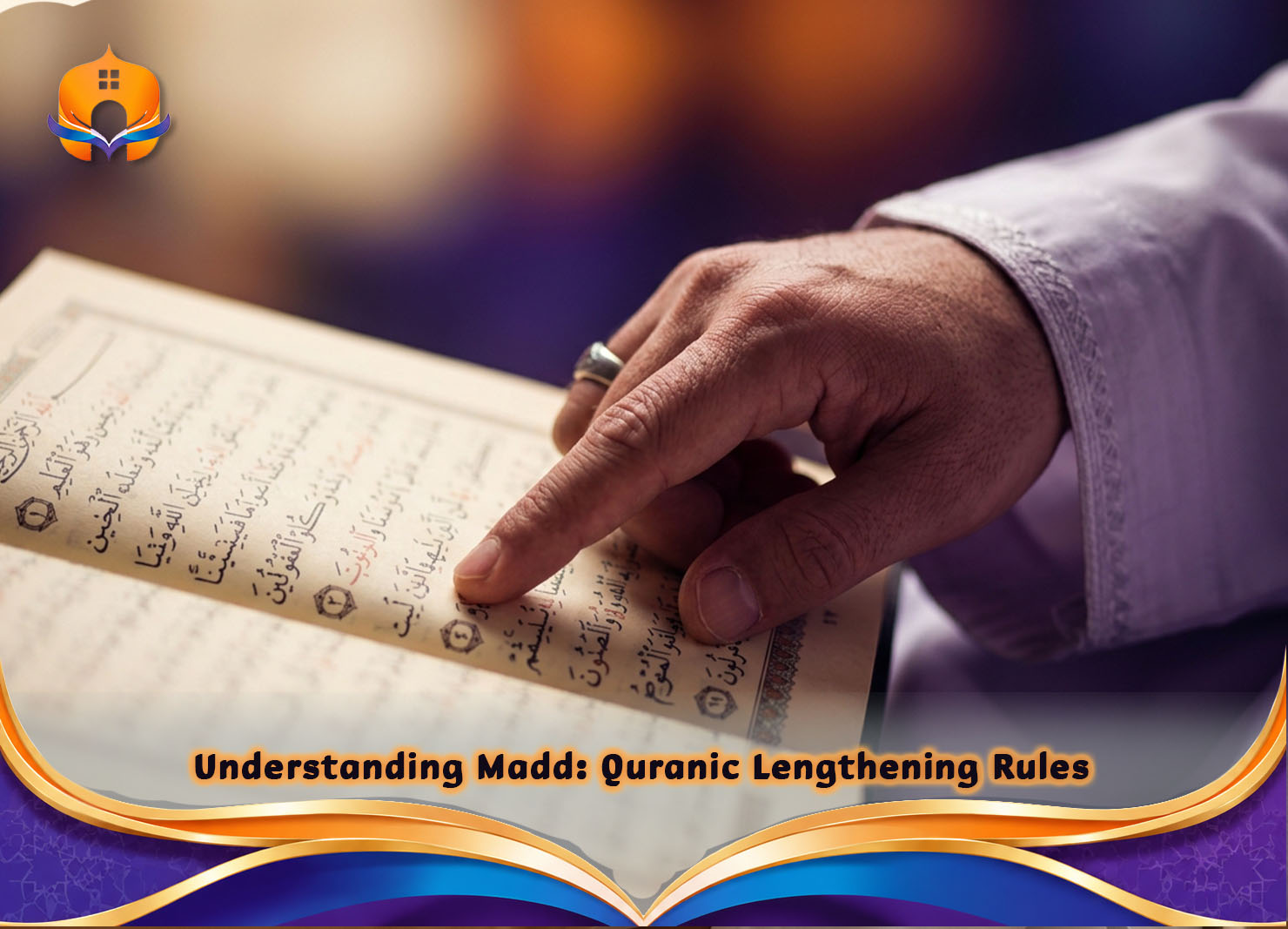
Madd means extending the sound of specific letters for a certain number of counts. It is one of the most frequently used Tajweed topics because it appears throughout Quranic verses. Students learn how long each sound should be extended according to the type of Madd. The letters of Madd are:
- ا
- و
- ي
Natural Madd (Madd Asli)
Natural Madd is the basic form of lengthening. It occurs without Hamzah or Sukoon and is normally extended for two counts. This is the simplest type of Madd and forms the foundation for understanding other categories.
Secondary Madd
Secondary Madd happens when a Madd letter is followed by Hamzah or Sukoon. Depending on the rule and situation, the extension may continue for different numbers of counts. Learning correct timing is important because incorrect lengthening can affect the beauty and accuracy of Quran recitation.
Through a structured rules of tajweed course, students practice different Madd examples until they develop natural control over their reading speed and pronunciation.
Quranic Symbols Every Beginner Should Understand
The Quran contains special symbols that guide readers during recitation. Understanding these signs helps students know when to stop, continue, or adjust their pronunciation. Important symbols include:
- Sukoon: Indicates that a letter has no vowel sound. It plays an important role in identifying many Tajweed rules.
- Shaddah: Shows that a letter should be pronounced with emphasis, as if it appears twice.
- Madd Symbol: This symbol indicates that a vowel sound should be extended according to specific Tajweed guidelines.
- Tanween Signs: Tanween represents double vowel marks that create an additional Noon sound at the end of words.
- Stopping Signs: The Mushaf includes different stopping symbols that guide readers to preserve the correct meaning of verses.
Learning these signs becomes easier when students practice directly with a teacher who can explain their application during recitation.
How to Memorize and Apply Tajweed Rules Effectively?
Many students believe that Tajweed requires memorizing a large amount of information. However, successful learning depends mainly on consistent practice. The most effective methods include:
- Daily Quran Reading: Regular reading helps transform Tajweed rules into natural habits.
- Listening to Skilled Reciters: Hearing accurate pronunciation trains the ear and improves the ability to recognize correct sounds.
- Reviewing One Rule at a Time: Studying too many topics together can create confusion. Focusing on one rule before moving to another improves understanding.
- Recording Your Own Voice: Listening to personal recitation helps identify mistakes that may not be noticed while reading.
Learning With a Qualified Teacher: Direct correction is one of the fastest ways to improve because teachers can identify pronunciation issues immediately. A practical rules of tajweed course combines all these methods to create steady progress and long-term improvement.
Benefits of Learning Tajweed
Tajweed education provides benefits that go beyond pronunciation. It helps Muslims build a stronger relationship with the Quran and develop confidence in their worship. The main advantages include:
- Reading the quran with Tajweed course accuracy.
- Protecting the meanings of verses.
- Improving fluency and confidence.
- Developing better listening skills.
- Increasing concentration during recitation.
- Preparing for advanced Quran studies.
- Appreciating the beauty of the Quranic language.
With continuous effort, learners often notice significant improvement in their voice control, pronunciation, and overall recitation quality.
How to Choose the Best Tajweed Course?

Choosing the right learning program has a major impact on your Quran journey. A good course should provide a clear structure and practical support. Before joining any program, consider these important factors:
Qualified Quran Teachers
Qualified Quran teachers are essential for effective Tajweed learning. Experienced instructors help students understand pronunciation rules, correct mistakes, and improve their Quran recitation step by step.
Personalized Feedback
Every student has different learning needs. Individual feedback helps learners identify pronunciation errors and develop better recitation skills through continuous correction.
Structured Curriculum
A professional program follows an organized plan that starts with basic Tajweed concepts and gradually moves to advanced rules, making learning easier and more effective.
Flexible Learning Options
Online classes provide flexible schedules, allowing students to learn Tajweed from home while receiving direct guidance from experienced teachers.
Practical Recitation Training
Tajweed requires regular practice, not only theory. Reading Quran verses with teacher supervision helps students apply rules correctly and build confidence.
For students seeking online learning, Quran House Academy, an Affordable online Quran academy, offers structured Tajweed lessons for children and adults with qualified teachers who support learners throughout their Quran journey.
Frequently Asked Questions
Provide clear answers to common inquiries about the Tajweed course, helping learners understand the learning process, benefits, and what to expect before joining.
Can I learn Tajweed online successfully?
Yes. Online Tajweed learning can be highly effective when it includes live classes, regular practice, and direct feedback from qualified teachers.
How long does it take to learn Tajweed?
The learning period depends on the student’s background, practice routine, and consistency. Many learners notice improvement after several months of regular study.
Do I need to speak Arabic before learning Tajweed?
No. Beginners can study Tajweed without knowing Arabic. A structured program teaches pronunciation step by step and helps students progress regardless of their language background.
In conclusion, Learning Tajweed is a valuable journey that allows Muslims to recite the Quran with accuracy, confidence, and respect. Every rule has a specific purpose: preserving the pronunciation and meaning of the words of Allah.
A rules of tajweed course gives learners the knowledge, practice, and guidance needed to develop correct Quran recitation. Whether you are a beginner or someone looking to improve existing skills, structured learning can make your progress easier and more effective.
With regular practice, patience, and support from qualified teachers, every student can develop a stronger connection with the Quran and enjoy the beauty of authentic recitation.