Learning Noorani Qaida Overview

Understanding learning noorani qaida matters for every student, and our courses at Quran House cover it in depth.
For learners who want to go further, take a look at our noorani qaida kids.
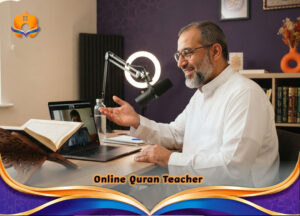
Sessions like these are often led by our tutor Mahmoud Fathi.
For more like this, take a look at our our pricing.
What is Noorani Qaida?
Noorani Qaida is a very short guide that teaches a student how to read the Quran like an Arab, without knowing Arabic as a spoken language. It focuses purely on letter recognition, pronunciation, and basic joining rules, giving beginners the foundation they need before moving on to full Quran reading.
How to learn Noorani Qaida quickly and accurately
The scholars of Islam exerted a great deal of effort in order to make reading the Quran easier for non-Arabs. Nowadays, more than two thirds of Muslims worldwide are non-Arabs, which makes a structured, accessible method like Noorani Qaida especially valuable.
There are several tips that a student of Noorani Qaida can apply in order to learn faster and more accurately.
1. Do not learn it alone
If you do not already know how to read Arabic, you will most likely make many mistakes trying to learn on your own through videos and articles online. Learn Noorani Qaida with a teacher, either face to face or online, whichever works best for you.
It is worth noting that Shaikh Noor Muhammad Haqqani, who authored the Noorani Qaida system, designed it to be taught by a teacher, not as a self-education curriculum. Working with a teacher will save you considerable time and effort, and help you avoid many mistakes and inconsistencies along the way that could otherwise take much longer to notice and correct on your own.
2. Review the lessons your teacher taught you
Reviewing material after each lesson, rather than only during class time, helps reinforce what you have learned and makes each new lesson build more effectively on the last.
3. Test yourself regularly
Test yourself every now and then by reading directly from the Quran and honestly assessing where you stand. This helps you notice gaps that might not surface during structured lessons alone.
4. Revise the basics and everything you have studied
If you are learning Noorani Qaida with a teacher, they will likely have you revise regularly. Take this seriously, since a shaky foundation in the basics tends to cause repeated mistakes later on.
5. Advance in an organized way
You can move through the material faster if you are progressing well, but you are not allowed to skip steps along the way. Learn in an organized, consistent manner, since each stage of Noorani Qaida is designed to build directly on the one before it.
6. Complete your assignments regularly
If your teacher gives you an assignment, make sure you complete it consistently, rather than only reviewing material during your scheduled lesson time.
7. Track your child’s progress if teaching them
If you are enrolling your children in Noorani Qaida, especially through online tutoring, you need to trace their progress and stay in regular contact with their teacher.
Eventually, remember that the Quran is Allah’s words, so pray to Allah that He may make it easy for you to read and remember it.
If you are just starting your journey, you may also like our online Quran classes for beginners, our online Quran academy with flexible timings, or our online Quran academy with certified teachers.
Why Noorani Qaida works so well for non-Arabic speakers
Noorani Qaida succeeds where many other approaches struggle because it isolates the specific skill of reading Arabic script and Quranic pronunciation from the much larger task of learning Arabic as a spoken language. A student does not need to understand grammar, vocabulary, or sentence structure to benefit from Noorani Qaida, since its entire focus is on accurately recognizing and pronouncing letters, understanding how they join together, and applying basic tajweed rules.
This narrow, focused scope is part of why the method has remained popular and effective for well over a century, across vastly different countries, cultures, and native languages, from South Asia to Africa to the Western world.
The structure of a typical Noorani Qaida course
Most Noorani Qaida courses move through several progressive stages, beginning with individual letter recognition and pronunciation, followed by short vowel marks, then letter joining, and eventually longer words and short verses. Each stage is intentionally kept simple and repetitive, allowing a student to build genuine automatic recognition rather than relying on memorization of specific words alone. This structure is precisely why skipping steps tends to backfire, since later stages assume complete mastery of everything that came before them.
Common mistakes that slow down Noorani Qaida students
- Attempting to learn primarily through apps or videos without any live teacher correction, which often allows mispronunciation habits to form unnoticed.
- Rushing through early letter recognition stages before they are truly automatic, which tends to cause repeated errors once letters begin combining into words.
- Skipping regular review sessions, assuming that a single pass through the material is sufficient for long term retention.
- Inconsistent attendance or practice, which disrupts the steady, cumulative progress the method is designed to build.
How long Noorani Qaida typically takes to complete
The exact timeline varies significantly depending on the student’s age, consistency, and prior exposure to Arabic script, but many students complete the core material within a few months of regular, weekly lessons paired with consistent practice between sessions. Children often move through the material a bit differently than adults, sometimes taking slightly longer due to shorter attention spans in individual sessions, but often benefiting from more frequent, shorter lessons spread across the week.
Frequently asked questions
Can adults learn Noorani Qaida as effectively as children?
Yes. While children sometimes absorb new sounds a little more naturally, adults often bring stronger focus and discipline to structured lessons, which can offset any difference in raw adaptability.
Is it possible to skip Noorani Qaida and go straight to reading the Quran?
It is possible, but not recommended for most non-Arabic speakers, since skipping this foundational stage often results in more deeply ingrained pronunciation mistakes that become harder to correct later.
How often should Noorani Qaida lessons happen each week?
Most students benefit from at least two sessions per week, paired with short daily practice, though the exact frequency can be adjusted based on a student’s pace and schedule.
What comes after completing Noorani Qaida?
After completing Noorani Qaida, most students move on to reading directly from the Quran with a teacher, gradually building fluency and incorporating more advanced tajweed rules as they progress.
Building good habits that carry beyond Noorani Qaida
The discipline and habits built during Noorani Qaida, consistent practice, careful attention to correct pronunciation, and patience with gradual progress, tend to carry forward directly into later stages of Quran study, including full recitation and eventually memorization. Students who take this foundational stage seriously, rather than rushing through it to reach the Quran itself sooner, often find that their later progress is noticeably smoother as a result.
Creating a home environment that reinforces classroom progress
Progress in Noorani Qaida tends to accelerate when the lessons learned during a session are reinforced naturally throughout the rest of the week, rather than confined strictly to scheduled class time. Simple habits, such as pointing out familiar letters on signs or packaging around the house, or reviewing a short flashcard set for a few minutes before bed, can keep material fresh between formal lessons without turning practice into an additional burden.
For families teaching multiple children, establishing a shared, low pressure routine, even just five or ten minutes together each evening, often produces better results than scattered, inconsistent individual practice sessions.
Learning Noorani Qaida with the right support
A strong start with Noorani Qaida sets the tone for a student’s entire relationship with the Quran, which is why choosing the right teacher and structure matters so much. At Quran House, our instructors are trained at Al-Azhar and specialize in guiding both children and adults through Noorani Qaida with patience and consistent correction, ensuring a solid foundation before moving on to full Quran recitation, tajweed, and eventually memorization for those who wish to continue further.
The history behind Noorani Qaida
Noorani Qaida takes its name from its author, Shaikh Noor Muhammad Haqqani, who developed the method with a specific goal in mind: making Quranic Arabic accessible to students who had no background in the Arabic language. Before structured methods like this existed, non-Arabic speakers often relied on inconsistent, informal approaches to learning recitation, which frequently produced uneven results depending entirely on the individual teacher’s own method.
Noorani Qaida brought a standardized, tested sequence to this process, and its continued widespread use today, generations after it was first introduced, speaks to how effectively it addresses the specific challenges non-Arabic speakers face when learning to read the Quran.
Why the sequence of letters matters so much
Noorani Qaida does not introduce Arabic letters randomly or alphabetically. Instead, letters are grouped and sequenced based on similarity in shape and sound, allowing students to build on patterns they have already mastered rather than treating every new letter as a completely unrelated challenge.
This deliberate sequencing is part of why skipping around within the material, rather than following the intended order, tends to slow progress rather than speed it up, even for students eager to move quickly, since each new lesson depends directly on the ones that came immediately before it.
How to support a struggling student without adding pressure
Some students, particularly children, occasionally hit a stretch where progress feels slower or a specific letter or sound proves especially difficult. In these moments, additional pressure or frustration from a parent or teacher often makes the struggle worse rather than better.
A more effective approach involves slowing down deliberately, spending extra time specifically on the challenging sound, and reassuring the student that temporary difficulty with one part of the material is a completely normal part of learning, not a sign of failure. Teachers experienced with Noorani Qaida typically have a range of techniques for addressing specific stuck points, which is part of why professional guidance tends to outperform self-study when a student encounters genuine difficulty, especially with sounds that feel unfamiliar or physically awkward to produce at first.
Combining Noorani Qaida with early tajweed awareness
While Noorani Qaida itself is not a full tajweed course, it does introduce some foundational tajweed concepts, particularly around the correct pronunciation of individual letters and basic elongation rules. Students who pay close attention to these early introductions, rather than treating them as minor details to revisit later, often find their transition into formal tajweed study considerably smoother once they reach that stage.
This overlap is intentional, since Noorani Qaida is meant to prepare a student not just to read, but to read correctly from the very beginning, building habits that will support every stage of Quran study that follows.
Choosing between Noorani Qaida and other beginner methods
Noorani Qaida is not the only foundational method available for teaching Arabic reading to beginners, and it is worth understanding how it compares to alternatives like Noor Al Bayan, which some teachers consider a more modern, gradually structured update to the same core idea. Both methods share the same fundamental goal, and either can produce excellent results when taught by a qualified instructor.
The right choice often depends more on a specific teacher’s training and preference than any inherent superiority of one method over the other, so it is generally more productive to focus on finding a skilled, experienced teacher than to spend excessive time deciding between the two curriculums themselves, since a great teacher can produce excellent results with either approach.
Final thoughts
Learning Noorani Qaida quickly and accurately comes down to a few consistent habits: working with a qualified teacher rather than learning alone, reviewing material regularly, testing yourself honestly, advancing in an organized way without skipping steps, and staying consistent with assignments. For parents guiding children through the process, active involvement and regular communication with the teacher make a real difference.
With patience, consistency, and the right guidance, Noorani Qaida can be completed efficiently, laying a strong foundation for a lifetime of confident, accurate Quran recitation and a deeper, more meaningful connection to the words of Allah.
Final Thoughts
To sum up, learning noorani qaida is an important topic, and learning more about learning noorani qaida helps every sincere student. For the original text, see Quran.com.
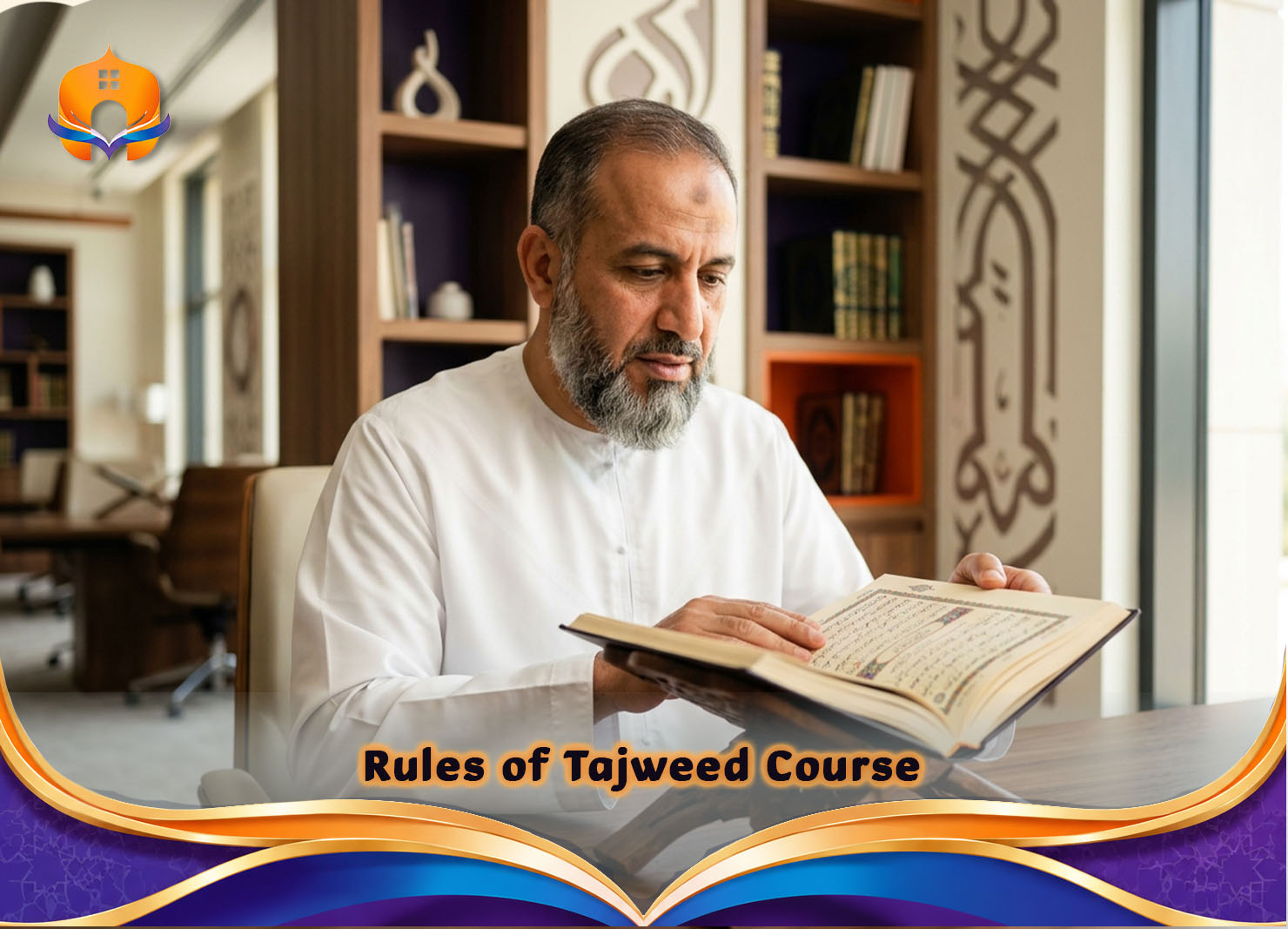
Many students exploring learning noorani qaida find that consistent practice with learning noorani qaida leads to steady, lasting progress over time.
Many students exploring learning noorani qaida find that consistent practice with learning noorani qaida leads to steady, lasting progress over time.