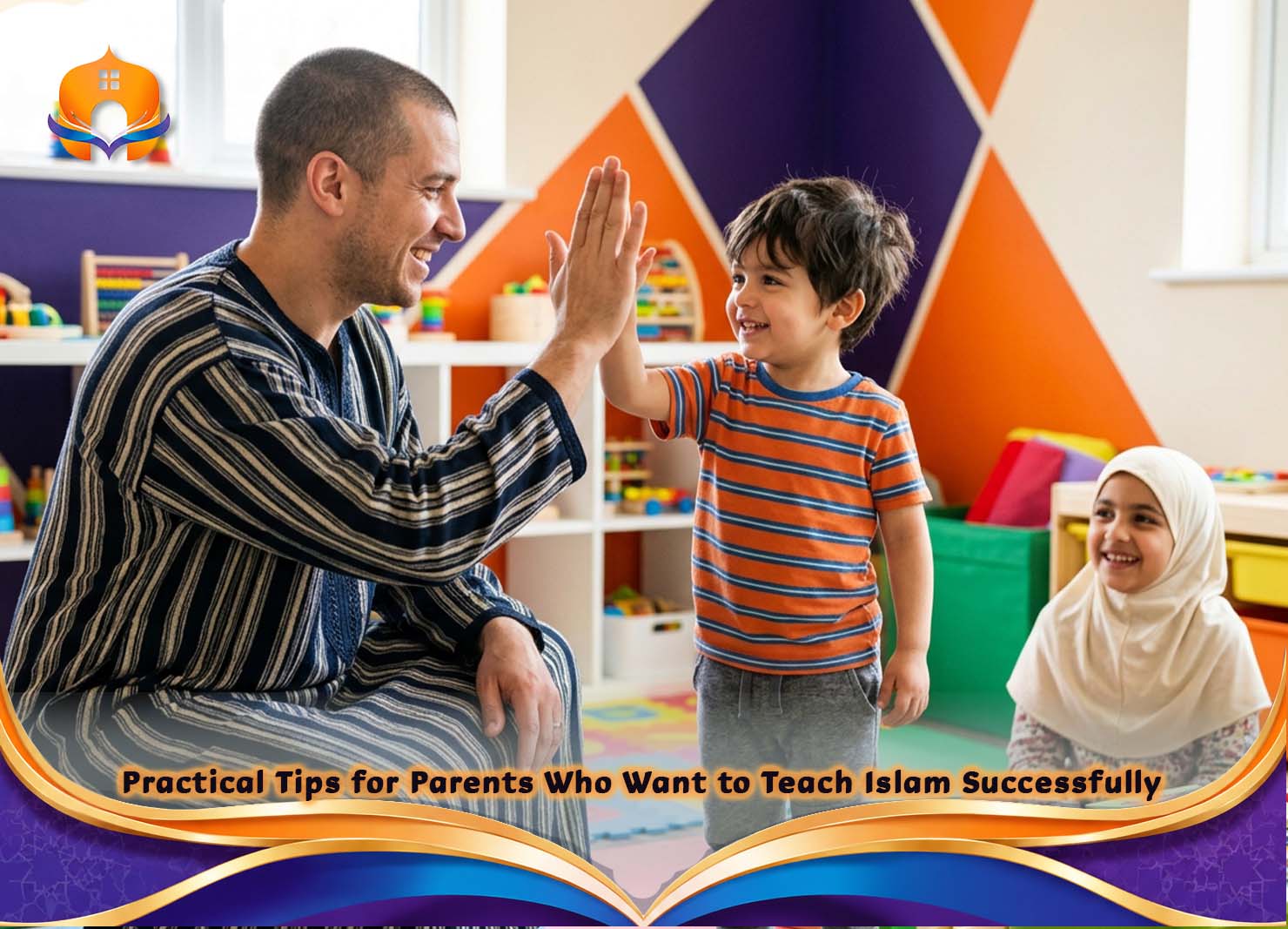
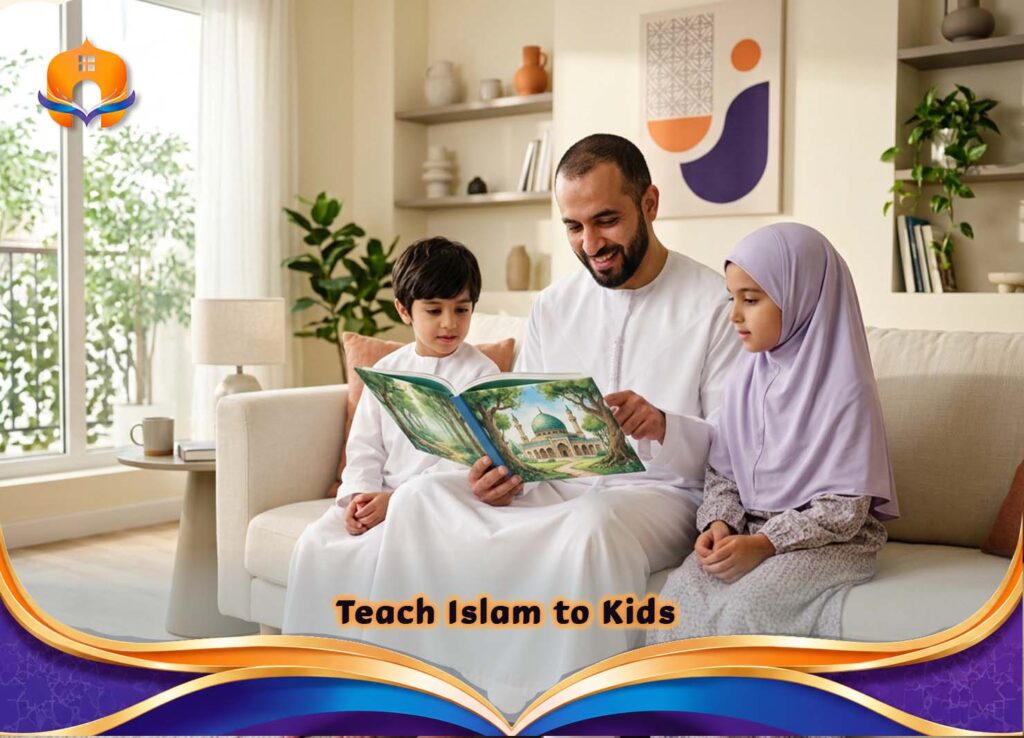
Teach Islam to kids is an important journey that helps children develop a strong connection with their faith, understand Islamic values, and build positive character from an early age. Teaching Islam to children is not only about memorizing religious information; it is about helping them understand the meaning behind their beliefs and apply Islamic principles in their daily lives.
Children naturally learn through observation, repetition, stories, and experiences. When Islamic teachings are introduced lovingly and engagingly, children begin to see Islam as a source of guidance, kindness, and purpose rather than a list of rules they must follow.
Many parents wonder how they can introduce Islam to their children effectively while keeping lessons enjoyable and suitable for their age. The answer is to create a balanced approach that combines knowledge, practical activities, conversations, and real-life examples.
A child who learns about honesty, compassion, patience, gratitude, and respect from an Islamic perspective develops qualities that benefit them throughout their entire life. Early Islamic education helps children understand who they are, why they worship Allah, and how they should treat the people around them.
This comprehensive guide explains how parents can teach Islam to kids using simple methods, age-appropriate strategies, and engaging activities that make Islamic learning meaningful and memorable.
Why Does Islamic Education Matter During Childhood?
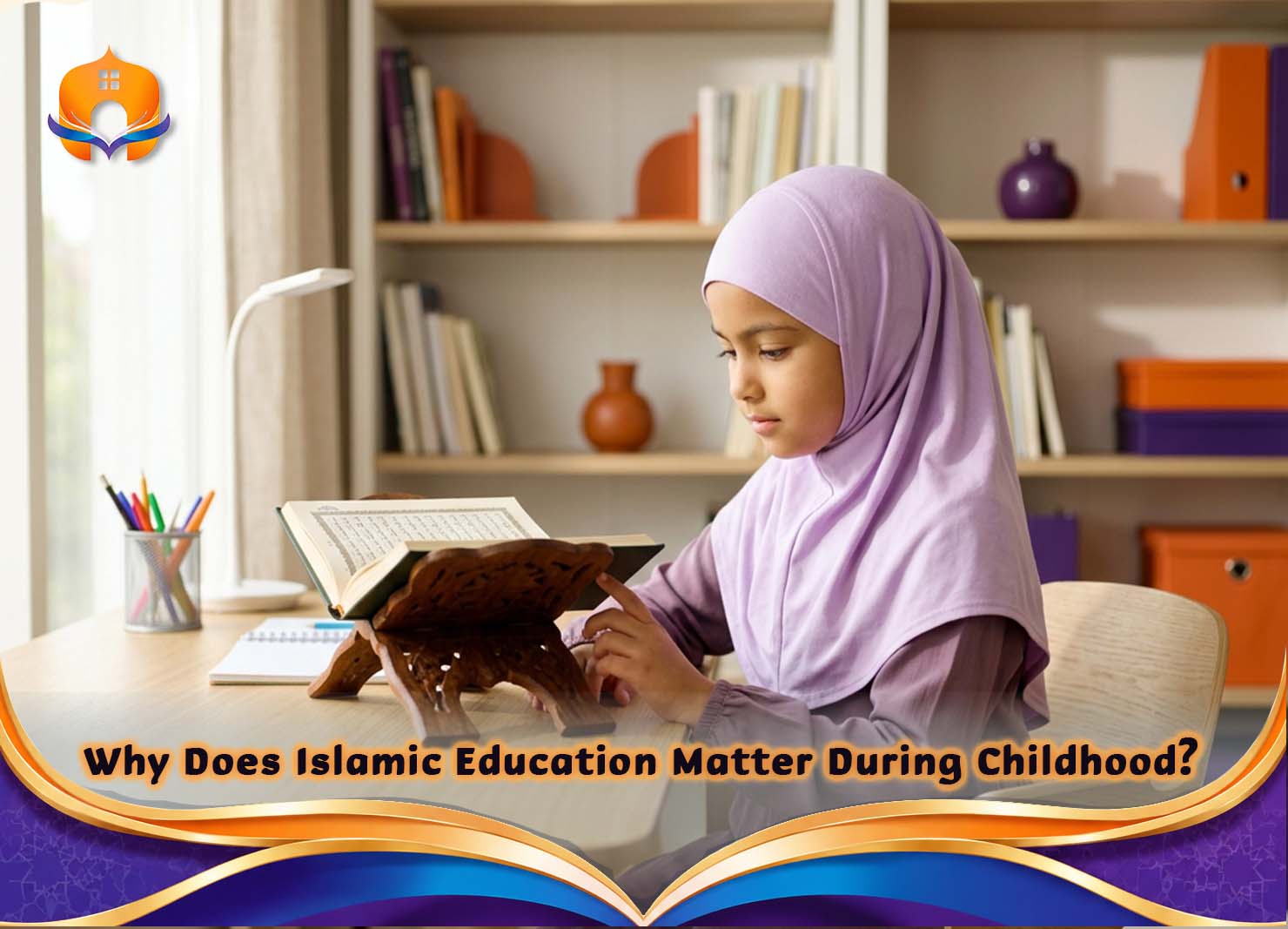
Childhood is one of the most important stages for building beliefs, habits, and personal values. During the early years, children absorb information quickly and learn a great deal from their parents, family environment, and daily experiences.
Islamic education during childhood provides children with a strong foundation that helps them understand their purpose and develop good manners. Instead of viewing religion as something separate from everyday life, children learn that Islam guides their choices, relationships, and behavior. Teaching Islam early can help children:
- Develop love and respect for Allah.
- Understand the importance of good character.
- Build confidence in their Muslim identity.
- Learn responsibility and kindness.
- Create positive relationships with worship and learning.
- Understand Islamic traditions and practices.
The goal of Islamic education is not to overload children with information. The focus should be on creating a positive connection with Islam that grows naturally as the child becomes older.
Parents should remember that children learn more from what they see than what they are told. When parents demonstrate patience, honesty, gratitude, and compassion, children naturally begin to imitate these qualities.In addition, an online quran teacher provides personalized lessons that help students improve Quran recitation, Tajweed, and memorization from the comfort of home.
Start Your Quran Learning Journey Today
Begin your Quran learning journey with confidence through structured lessons specially designed for beginners. Whether your aim is to improve pronunciation, master Tajweed rules, or learn to read the Quran step by step, Quran House Academy provides clear guidance in a simple and flexible learning environment.
With experienced tutors, personalized one-on-one sessions, and patient teaching methods, learners of all ages can build strong Quran reading skills from the comfort of their homes. The program is designed to support steady progress, ensuring that each student learns at their own pace without pressure.
Start today and take the first step toward accurate, fluent, and confident Quran recitation through a system built for long-term improvement and lasting success.

Teach Islam to kids according to Their Age and developmental stage
Every child learns differently, and Islamic education becomes more effective when it matches the child’s age, understanding, and emotional development.
A teaching method that works for a teenager may not work for a preschool child. Therefore, parents should adjust their approach as their children grow.
Teaching Islam to Children Between Ages 3 and 5
Young children learn mainly through repetition, imagination, and observation. At this age, the purpose is to create positive feelings toward Islam and introduce simple daily practices. Parents can focus on:
- Teaching short duas.
- Saying Bismillah before meals.
- Saying Alhamdulillah when showing gratitude.
- Listening to Quran recitation.
- Learning simple Islamic manners.
- Watching parents perform Salah.
At this stage, children do not need complicated explanations about religious concepts. They need simple experiences that connect Islam with love, comfort, and family life.
For example, instead of giving a long explanation about gratitude, parents can teach children to say “Alhamdulillah” whenever they receive something good. Over time, the child connects the phrase with thankfulness.
Storytelling is also highly effective for young children. Stories about prophets and Islamic values introduce important lessons in a way children can understand.
Teaching Islam to Children Between Ages 6 and 9
Children in this age group become more curious and start asking deeper questions. They can understand basic concepts related to belief, worship, and morality. Important topics include:
- Stories of the prophets.
- The Five Pillars of Islam.
- Basic prayer steps.
- Islamic manners.
- The importance of kindness and honesty.
Stories are especially powerful because children remember lessons better when they are connected to characters and events.
For example, the story of Prophet Yusuf teaches children about patience, forgiveness, and trusting Allah during difficult situations. Instead of simply telling the story, parents can discuss the lessons and ask children how they can apply them in their own lives.
Interactive learning is also valuable at this stage. Children enjoy drawing, crafts, games, and activities that make Islamic concepts easier to understand.
Teaching Islam to Children Between the Ages of 10 and 12
Older children begin developing their own opinions and may ask more complex questions about faith. At this stage, Islamic education should include discussion and critical thinking. Parents can encourage conversations about:
- The wisdom behind Islamic practices.
- The importance of prayer.
- How Islam guides daily decisions.
- The meaning of good character.
- Questions about faith and purpose.
Children at this age appreciate honest answers. If parents do not know the answer to a question, they can explore the topic together and show that seeking knowledge is part of Islam. This approach creates trust and helps children develop a lifelong desire to learn.
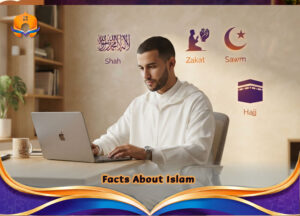
Understanding the Five Pillars of Islam for Children
The Five Pillars of Islam are the foundation of Muslim practice. Teaching them to children in a simple way helps them understand the basic structure of their faith.
1. Shahada: Understanding Faith in Allah
The Shahada is the declaration of faith and the foundation of Islam. For children, the concept can begin with simple discussions about Allah as the Creator and the One who provides everything.
Parents can encourage children to notice signs of Allah’s creation:
- The beauty of nature.
- Animals and plants.
- The human body.
- The blessings around them.
As children grow older, they can gradually understand the deeper meaning of believing in Allah and following the teachings of the Prophet Muhammad ﷺ.
2. Salah: Building a Relationship Through Prayer
Prayer should be introduced as a special connection between a person and Allah. Young children often learn prayer by watching their parents. Allowing them to participate without pressure helps create positive feelings toward Salah. Helpful methods include:
- Providing a child-sized prayer mat.
- Teaching simple prayer movements.
- Explaining the meaning of basic phrases.
- Making prayer part of the family routine.
The goal is to help children understand that Salah is not only an obligation but also a moment of peace and reflection.
3. Zakat: Teaching Generosity and Caring for Others
Children can learn the value of charity long before they understand the detailed rules of Zakat. Parents can teach generosity through simple activities:
- Donating toys they no longer use.
- Helping family members.
- Sharing food with others.
- Supporting community projects.
These experiences show children that Islam encourages compassion and responsibility toward society.
4. Sawm: Learning Patience Through Fasting
Ramadan provides a wonderful opportunity for children to experience Islamic traditions. Children can participate by:
- Helping prepare meals.
- Learning Ramadan duas.
- Understanding why Muslims fast.
- Practicing short fasting periods when appropriate.
The focus should be on teaching patience, gratitude, and empathy rather than making fasting feel like a punishment.
5. Hajj: Understanding the Unity of Muslims
Although many children will perform Hajj later in life, learning about it helps them understand the global Muslim community.Parents can use:
- Educational videos.
- Pictures.
- Simple crafts.
- Stories about the journey of Hajj.
Children learn that Muslims around the world share the same beliefs and worship Allah together.
The Six Beliefs in Islam: Building Strong Faith in Children
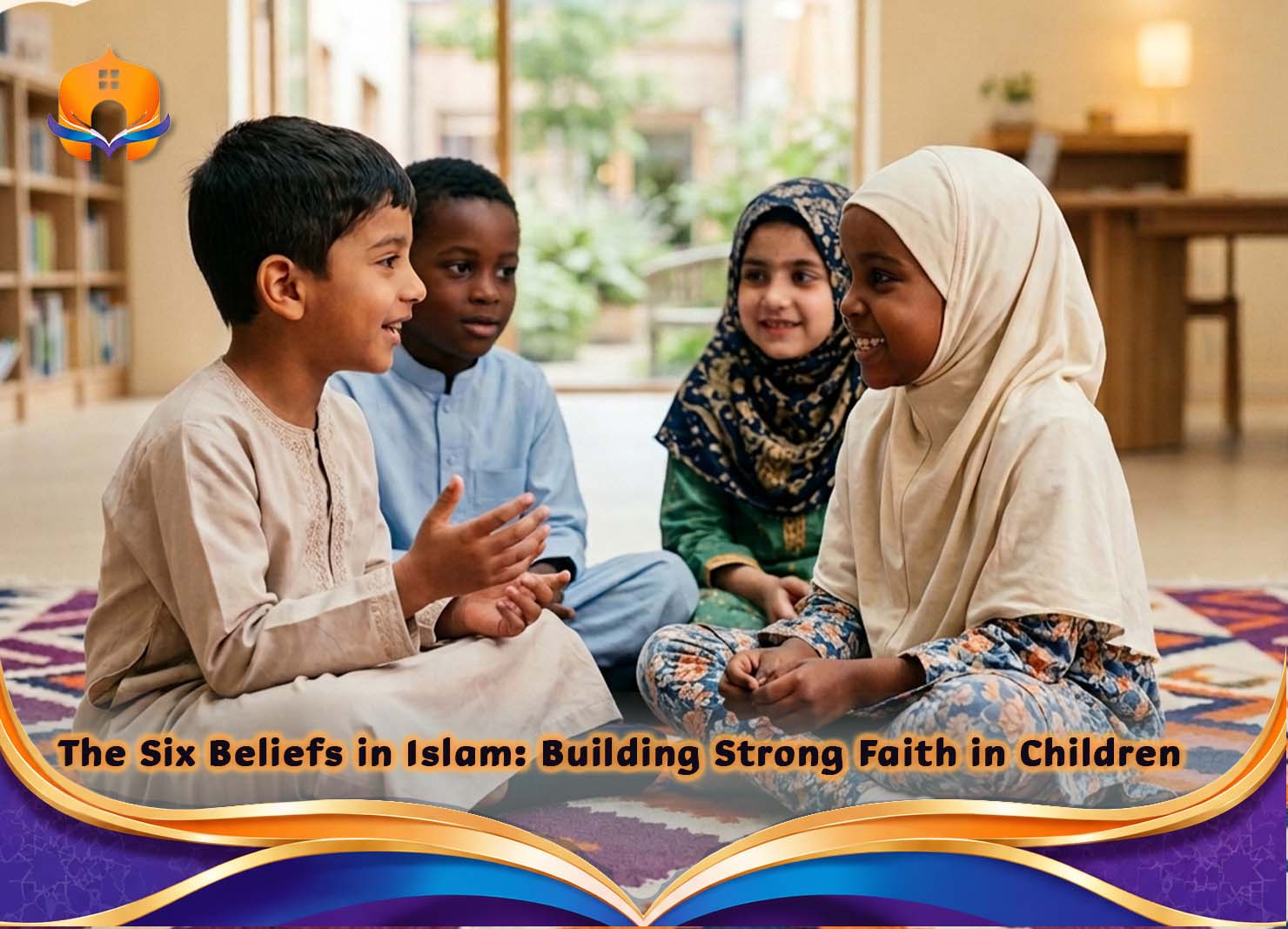
Understanding Islamic beliefs is an essential part of helping children develop a strong spiritual foundation. While the Five Pillars focus on actions and worship, the Six Beliefs explain what Muslims believe about Allah, His creation, and the purpose of life.
When parents teach Islam to kids, they should introduce these beliefs gradually according to the child’s age and ability to understand. Children do not need complicated explanations at an early age; they need simple ideas connected to examples from everyday life.
1. Belief in Allah
The first and most important belief is believing in Allah as the One Creator and the source of all blessings. For young children, this concept can begin with simple conversations:
- Who created the sky and the stars?
- Who created animals and plants?
- Who gives us food, health, and family?
These questions help children recognize the signs of Allah’s creation around them.
As children grow older, parents can explain that Allah is Merciful, Loving, and Always Aware of everything. Learning about Allah’s names and attributes helps children develop love and trust in their Creator.
For example, understanding that Allah is Ar-Rahman (The Most Merciful) teaches children that mercy and kindness are important values in their own lives.
2. Belief in Angels
Children are naturally curious about things they cannot see, making angels an interesting topic for Islamic learning. Parents can explain that angels are creations of Allah who always obey Him and carry out different responsibilities. Children can learn that:
- Angels record our good and bad actions.
- Angels deliver messages from Allah to His prophets.
- Angels are part of the unseen world created by Allah.
It is important to explain this concept simply and respectfully without making children afraid. The purpose is to help them understand that Allah’s creation is much greater than what humans can see.
3. Belief in Allah’s Books
Children can learn that Allah sent guidance to humanity through revealed books. Parents can introduce the idea that Allah sent messages through different prophets, including:
- The Torah was given to Prophet Musa (Moses).
- The Gospel given to Prophet Isa (Jesus).
- The Quran was revealed to Prophet Muhammad ﷺ.
The Quran holds a special place in Islam as the final revelation and a guide for Muslims. Children should understand that the Quran is not only a book to memorize but also a source of guidance that teaches people how to live with faith, kindness, and responsibility.
Encouraging children to listen to Quran recitation, learn short chapters, and understand simple meanings helps create a lifelong connection with the Quran.
4. Belief in the Prophets
Prophet stories are among the most effective ways to help children understand Islamic values. Stories allow children to learn important lessons through real examples of patience, courage, honesty, and trust in Allah. Some prophets children can learn about include:
- Prophet Adam and the beginning of humanity.
- Prophet Nuh and his patience.
- Prophet Ibrahim and his strong faith.
- Prophet Musa and his courage.
- Prophet Isa and his kindness.
- Prophet Muhammad ﷺ and his excellent character.
When sharing these stories, parents should focus on the lessons behind them. A child should understand how these examples can influence their own behavior.
For example, the story of Prophet Muhammad ﷺ teaches children the importance of mercy, forgiveness, and treating others with respect.
5. Belief in the Day of Judgment
The concept of the Day of Judgment should be introduced carefully, especially with younger children. Instead of focusing only on fear, parents can explain it through the idea of justice. Children can learn that Allah knows everything and that every person will be rewarded for good actions. This belief helps children understand why honesty, kindness, and responsibility matter.Simple examples can make the concept easier:
- Helping someone is a good action.
- Being honest shows good character.
- Hurting others is something we should avoid.
Children gradually learn that their choices have meaning and that Islam encourages people to do what is right.
6. Belief in Divine Decree (Qadr)
Qadr is one of the deeper Islamic concepts, so it should be introduced according to the child’s understanding.
Parents can explain that Allah has complete knowledge of everything, but humans still have choices and responsibilities.
Children may experience situations they do not understand, such as disappointment, failure, or change. Learning about Qadr can help them develop patience and trust in Allah. A simple explanation can be:
“Sometimes things happen that we do not understand, but Allah knows what is best for us.”
This belief teaches children resilience and helps them face challenges with faith and hope.
Fun Activities That Help Children Learn Islam
Children learn best when education becomes an enjoyable experience. Parents who want to teach Islam to kids often discover that traditional lessons become far more effective when they are combined with fun, interactive activities. This approach makes Islamic learning more memorable and meaningful.
Creative activities allow children to participate, ask questions, and connect religious ideas with real experiences. As parents teach Islam to kids through enjoyable experiences, children become more excited to learn and practice Islamic values.
Teach Islam to Kids Through Interactive Learning Activities
Using games, crafts, and family activities is one of the most effective ways to teach Islam to kids in an enjoyable way. Parents who want to teach Islam to kids successfully should focus on creating positive experiences rather than relying only on memorization.
Here are some practical activities that families can try.
1. Five Pillars Craft Activity
Create a simple craft representing the Five Pillars of Islam. Children can use:
- Paper.
- Colors.
- Cardboard.
- Stickers.
Each section can represent one pillar with a simple explanation. This activity helps children visually understand that the pillars work together to build a strong Islamic identity while making it easier to teach Islam to kids through hands-on learning.
2. Prophet Story Role Play
Children enjoy acting and storytelling. Choose a prophet’s story and allow children to recreate important lessons.
For example:
Correct pronunciation matters just as much as the stories and values. Our tajweed course for kids covers that side specifically.
- Acting out moments that show patience.
- Discussing how prophets solved challenges.
- Talking about the values learned from the story.
The goal is not performance but understanding the moral lesson. Storytelling remains one of the most effective ways to teach Islam to kids because children naturally remember lessons connected with emotions and experiences.
3. Dua Learning Jar
Create a small jar where children collect the duas they learn. Over time, children see their progress and feel motivated to continue learning.
Each paper inside the jar can include:
- A short dua.
- Its meaning.
- When Muslims say it.
Simple activities like this help parents teach Islam to kids by turning daily supplications into enjoyable family habits.
4. Charity Challenge
Teach children generosity through practical actions. Children learn that Islamic values are shown through actions, not only words.
A family charity challenge may include:
- Donating unused items.
- Helping neighbors.
- Sharing meals.
- Supporting people in need.
These practical experiences help teach Islam to kids that kindness, generosity, and compassion are essential parts of everyday Muslim life.
5. Quran Reflection Activities
Children can create a stronger connection with the Quran through simple reflection activities. Examples include:
- Learning one verse and discussing its meaning.
- Drawing what they learned from a verse.
- Sharing one lesson from a short Surah.
This approach helps children understand that the Quran provides guidance for everyday life. Many families also enroll their children in a quran with Tajweed course so they can recite the Quran correctly while strengthening their understanding of its beautiful teachings.
The Role of Quran Learning in Children’s Islamic Development
The Quran plays a central role in Islamic education. Parents who want to teach Islam to kids should help their children see the Quran as a guide for everyday life, not simply a book to memorize. Learning the Quran includes understanding its meanings, reflecting on its lessons, and applying its values in daily situations. A balanced Quran education helps children develop:
- Better pronunciation.
- Stronger connection with Allah.
- Improved concentration.
- Appreciation for Islamic teachings.
Many families look for structured support when teaching Quran and Islamic studies at home. Enrolling children in a quran reading course can help them build strong recitation skills step by step while increasing their confidence and love for the Quran.
As children progress, they can also benefit from a rules of tajweed course that teaches the correct pronunciation of every letter and the proper rules of Quran recitation. These skills help parents teach Islam to kids with greater confidence while ensuring that children recite the Quran accurately.
Some families also choose to work with an experienced online Quran tutor, who provides personalized guidance, interactive lessons, and regular feedback that matches each child’s learning pace.
Quran House Academy provides learning programs designed to help children develop their Quran skills and Islamic knowledge through organized lessons and qualified teachers. Parents who teach Islam to kids with consistent support at home and structured learning often see greater confidence and long-term progress.
However, parents remain the most important influence in a child’s Islamic journey. A supportive home environment combined with quality education creates the best results.
How Parents Can Create a Positive Islamic Learning Environment?
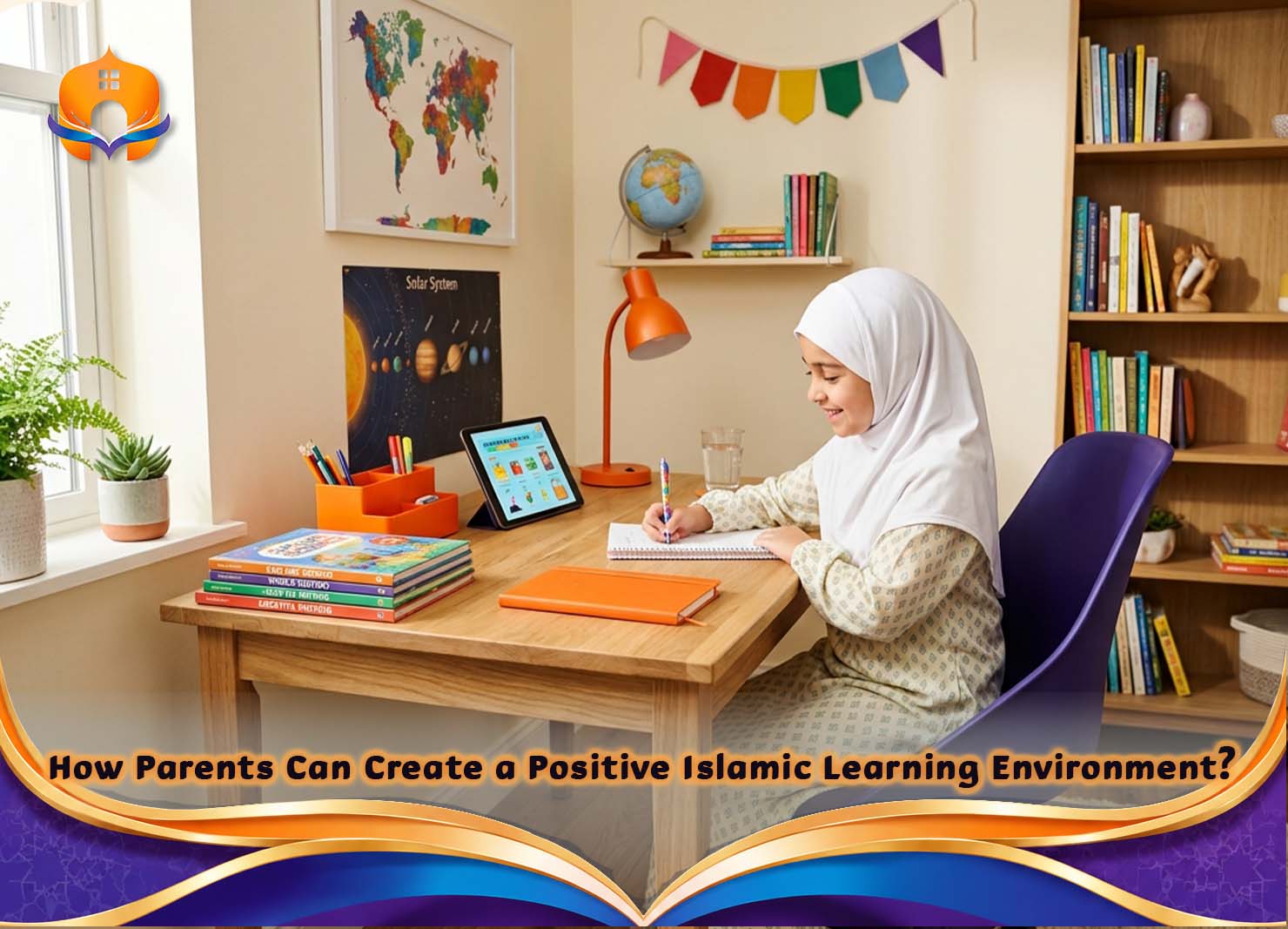
A child’s home environment has a powerful effect on how they view religion. Parents who want to teach Islam to kids successfully can encourage Islamic learning by making faith a natural part of everyday life instead of limiting it to formal lessons.
Practicing What You Teach
Children notice their parents’ behavior. When they see parents praying, showing kindness, and speaking respectfully, they naturally learn by example. One of the best ways to teach Islam to kids is to practice the values you want them to develop.
Making Learning Consistent
Islamic education does not need to take hours every day. Short, regular activities are often more effective.
Examples include:
- Reading a short Islamic story before bedtime.
- Learning one new dua each week.
- Discussing Islamic manners during daily situations.
These simple habits help parents teach Islam to kids in a relaxed and enjoyable way that encourages long-term learning.
Encouraging Questions
Children naturally ask questions about Allah, life, and religion. These questions should always be welcomed because curiosity is an important part of learning.
As children grow, they may even ask questions such as what is Islamic fiqh, creating valuable opportunities for parents to introduce basic Islamic knowledge in a simple, age-appropriate manner.
A child who feels comfortable asking questions develops a stronger understanding, greater confidence, and a lifelong love of seeking beneficial knowledge.