

Surah Balad Overview
Surah Balad opens with a powerful oath about the sacred city, setting the tone for the whole chapter.
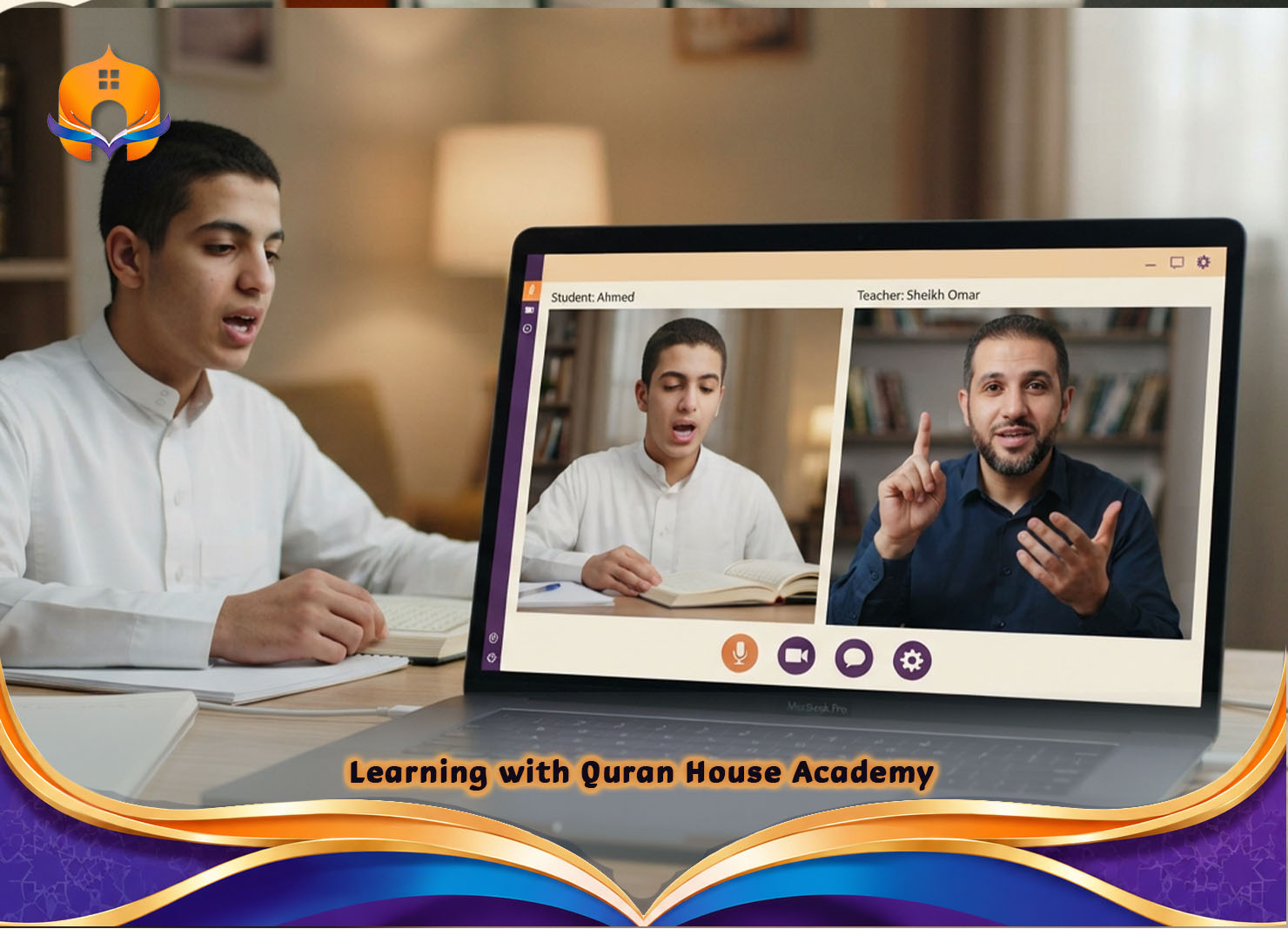
Understanding understanding the transformative matters for every student, and our courses at Quran House cover it in depth.
Surah Al-Balad is the 90th chapter of the Quran, revealed in Mecca, consisting of 20 verses. The surah takes its name from its first verse, which swears by “this city,” referring to Mecca.
Sessions like these are often led by our tutor Ahmed Gameel.
1. Reputation of righteousness
Reciting Surah Al-Balad in obligatory prayers can earn you a reputation for righteousness in this world. When others observe your dedication to reciting this surah, they may recognize you as a devout individual committed to your faith. This recognition can positively influence your relationships and interactions with others, establishing you as someone deeply connected to Allah and His teachings.
2. Special position in the afterlife
The benefits of reciting Surah Al-Balad extend to the afterlife. Consistent reciters of this surah will be granted a special position before Allah. This elevated status signifies closeness to Allah in the Hereafter, allowing the individual to be counted among the companions of prophets, martyrs, and righteous people. Being in the company of such people is considered one of the highest honors a believer can attain.
If you would like to memorize this surah alongside others, take a look at our Quran Memorization and Hifz online course. Our skilled teachers will assist you in memorizing the divine words of Allah, enabling you to strengthen your connection with the Holy Book.
3. Personal growth and development
Surah Al-Balad emphasizes gratitude for Allah’s blessings and the significance of our actions. Regular recitation of this surah reminds us of our responsibilities towards fellow human beings and the importance of utilizing our resources and abilities for societal betterment. This awareness can lead to a life characterized by compassion and purpose, where individuals actively contribute positively to their communities.
4. Source of guidance and inspiration
The surah serves as a guide and inspiration, teaching perseverance through challenges and steadfastness in faith. It highlights the transient nature of worldly possessions and underscores the importance of cultivating good deeds for long term benefit. Reflecting on the surah’s lessons helps a reader gain a deeper understanding of life’s purpose and encourages individuals to realize their true potential.
5. Promotes compassion and purpose
Through the guidance provided by Surah Al-Balad, individuals are encouraged to lead lives marked by gratitude, perseverance, and devotion to Allah. The surah promotes personal growth, compassion, and a greater sense of life purpose, helping individuals contribute positively to their communities.
In today’s digital age, gaining a comprehensive understanding of Islam has become more accessible than ever before. Through online Islamic studies courses, individuals can delve into various aspects of Islam, including Quranic studies, hadith, seerah, and more, right from the comfort of their homes.
The opening oath and its significance
Surah Al-Balad begins with an oath by the city of Mecca, highlighting its importance and sanctity in the Islamic faith. Mecca is considered a holy city for Muslims, since it is the birthplace of the Prophet Muhammad, peace be upon him, and the location of the Kaaba, the most sacred structure in Islam. Opening a surah with an oath is a recurring literary device found throughout the Quran, drawing the listener’s attention to the weight of what follows and signaling that the subject matter deserves careful reflection.
Why was Surah Al-Balad revealed?
Surah Al-Balad was revealed during the early Meccan period of the Prophet Muhammad’s prophethood, peace be upon him. This period was characterized by intense opposition and persecution of the Prophet and the early Muslims by the Quraysh, the dominant tribe in Mecca at the time.
Highlighting human struggle
The surah was revealed to highlight the inherent struggles and hardships of human life. It acknowledges that every individual undergoes various tests and challenges, emphasizing the transient and testing nature of life.
Moral guidance
Surah Al-Balad provides moral guidance to believers, urging them to engage in righteous deeds. It encourages freeing slaves, feeding the poor during times of hunger, and caring for orphans and the needy, framing these acts as the true path of steep ascent that every believer is called to climb. Believers are urged to embody these virtues and advise one another to do the same, fostering a supportive and empathetic community.
Warning to disbelievers
The surah concludes with a stern warning to those who disbelieve and reject the signs of Allah, stating that they will face consequences in the Hereafter for their disbelief and moral failures.
The theme of the steep path
One of the most memorable images in Surah Al-Balad is the description of a steep, difficult path that a person must climb in order to attain true righteousness. This path is not described as an easy, comfortable route, but rather as one that requires genuine sacrifice, such as freeing the enslaved or feeding the hungry during a time of scarcity. The imagery reminds readers that meaningful goodness usually asks something real of a person, whether that is money, time, comfort, or effort, rather than arriving effortlessly.
This theme resonates strongly with modern readers as well, since the underlying idea, that worthwhile character is built through deliberate sacrifice rather than passive intention, applies just as much today as it did in seventh century Mecca.
How Surah Al-Balad connects human struggle to purpose
A central message of this surah is that hardship is woven into the fabric of human existence itself, rather than being an unfortunate exception to an otherwise easy life. By stating plainly that humanity was created into struggle, the surah reframes difficulty as expected and even purposeful, rather than as a sign that something has gone wrong. This perspective can be genuinely comforting during difficult seasons of life, since it normalizes struggle as part of the human condition rather than treating it as a personal failure.
Practical ways to reflect on Surah Al-Balad
- Read the surah slowly, pausing on the description of the steep path, and consider what sacrifice currently feels most difficult in your own life.
- Look for a tangible act of charity you can take on this week, whether that is feeding someone in need or supporting an orphan, in direct response to the surah’s call to action.
- Reflect on the surah’s opening oath by Mecca, and consider the significance of the places that hold spiritual meaning in your own life.
- Memorize the surah in short sections, pairing each new portion with time spent understanding its meaning rather than pure repetition.
Frequently asked questions
Why does the surah open with an oath by a city rather than a more common opening?
Oaths by significant places or objects are a common rhetorical device throughout the Quran, used to draw attention and emphasize the importance of the message that follows. Mecca’s sanctity as the birthplace of the Prophet and home of the Kaaba makes it a particularly meaningful choice for this surah’s opening.
What does the steep path represent in practical terms?
The steep path represents the genuine effort and sacrifice required to live righteously, specifically through acts like freeing captives, feeding the hungry, and caring for orphans and the needy, rather than through passive belief alone.
Is Surah Al-Balad commonly recited in daily prayers?
Yes, its relatively short length and powerful message make it a popular choice for recitation in obligatory prayers among many Muslims.
How does this surah apply to someone facing hardship today?
The surah’s framing of struggle as an inherent part of human life can offer comfort during difficult times, reminding readers that hardship is expected and that meaning can be found in how a person responds to it through patience and righteous action.
The role of the mother mentioned in the surah
Surah Al-Balad also makes a brief but notable reference to a mother, in the context of relationships central to human life. Commentators often connect this reference back to the surah’s broader emphasis on struggle, noting that childbirth and motherhood themselves represent one of the most profound forms of hardship and sacrifice a person can experience.
This detail adds another layer to the surah’s argument that struggle is woven throughout the human experience from its very beginning, reinforcing the idea that hardship is neither random nor meaningless, but part of a larger, purposeful design.
Studying Surah Al-Balad in more depth
Surah Al-Balad rewards careful study that goes beyond a single reading. At Quran House, our online Tafseer courses walk students through the surah’s historical context, its powerful imagery, and the deeper meanings behind its call to sacrifice and compassion. Instructors trained at Al-Azhar help students connect these themes to their own daily lives, turning a familiar recitation into a genuine source of reflection and motivation.
How Surah Al-Balad compares to other short Meccan surahs
Several short Meccan surahs share a focus on human character and moral responsibility, including Surah Al-Asr and Surah At-Takathur, yet each approaches the subject from a distinct angle. Where Al-Asr emphasizes the fleeting nature of time and the importance of using it wisely, and At-Takathur warns against being distracted by the accumulation of wealth, Al-Balad distinguishes itself by centering the discussion on tangible acts of sacrifice, freeing captives, feeding the hungry, and caring for orphans, as the defining markers of a righteous life.
This practical, action oriented framing is part of what makes Al-Balad such a frequently cited surah when discussing Islamic teachings on social responsibility and charity.
The significance of freeing captives in the surah’s message
Among the specific acts of righteousness mentioned in Surah Al-Balad, freeing captives holds particular historical and moral weight. At the time of revelation, slavery was a widespread and deeply entrenched practice across the region, and the act of freeing a slave carried significant personal cost to the person doing so. By naming this act specifically as part of the steep path, the surah elevates a costly, tangible form of liberation as a model for what genuine righteousness requires, rather than settling for symbolic gestures or private good intentions alone.
This emphasis reflects a broader pattern found throughout the surah, where the Quran consistently favors visible, costly action over passive belief when describing the traits of a righteous person.
Lessons on gratitude woven throughout the surah
Alongside its call to sacrifice, Surah Al-Balad also touches on gratitude, particularly through its reminder that Allah has granted every person eyes, a tongue, and lips, ordinary faculties that are easy to take for granted in daily life. This reminder serves as a gentle counterbalance to the surah’s heavier themes of struggle and hardship, encouraging readers to notice and appreciate the basic blessings that make righteous action possible in the first place.
A person who can see, speak, and act has already been given the tools needed to climb the steep path described earlier in the surah, making the absence of excuses part of the surah’s quiet, underlying argument.
Applying the surah’s message in modern daily life
While the specific example of freeing captives may feel distant from contemporary life for many readers, the underlying principle translates directly into modern contexts. Supporting causes that combat human trafficking, contributing to organizations that provide relief to refugees, or simply showing up consistently for people in one’s own community facing hardship all reflect the same spirit the surah describes, sacrificing something real, whether time, money, or comfort, for the sake of another person’s wellbeing.
Feeding the hungry, another act named explicitly in the surah, remains just as directly applicable today as it was fourteen centuries ago. Many Muslims find that regularly setting aside a portion of their income or time for food banks, community meals, or direct support to families in need keeps this specific teaching alive as a lived practice rather than an abstract ideal confined to the text alone.
Final thoughts
Surah Al-Balad carries a message that feels just as relevant today as it did at the time of its revelation. Through its oath by Mecca, its portrait of human struggle, and its call to climb the steep path of genuine sacrifice, the surah challenges readers to move beyond passive belief toward active, tangible compassion.
Reflecting on its lessons regularly can shape both how a person understands hardship and how they choose to respond to the needs of others around them, turning a short Meccan surah into a lasting, practical guide for daily conduct.
Final Thoughts
To sum up, understanding the transformative is an important topic, and learning more about understanding the transformative helps every sincere student. For the original text, see Quran.com.
Many students exploring understanding the transformative find that consistent practice with understanding the transformative leads to steady, lasting progress over time.
Many students exploring understanding the transformative find that consistent practice with understanding the transformative leads to steady, lasting progress over time.
Reflecting on Surah Balad regularly builds awareness of struggle and gratitude. Every reader of Surah Balad gains fresh perspective on trials faced in life. Many students study Surah Balad alongside other short Surahs for deeper reflection.


