Izhar Shafawi Overview

Understanding izhar shafawi matters for every student, and our courses at Quran House cover it in depth.
For learners who want to go further, take a look at our is learning quran mandatory.
For learners who want to go further, take a look at our attahiyat lillahi dua.
Many students pair this with our benefits of reading the quran to round out their learning.
For learners who want to go further, take a look at our mistakes learning quran online.
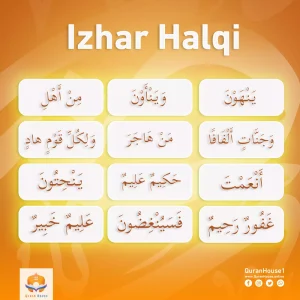
If this is an area you’d like to explore in more depth, check out our izhar halqi.
What is Izhar Shafawi?
Izhar Shafawi, derived from Arabic, literally means “clear” or “manifest” pronunciation. It’s a rule in Tajweed, the art of Quranic recitation, which dictates how certain letters, specifically the “Meem Saakinah,” should be pronounced clearly when followed by any letter other than “م” (Meem) and “ب” (Baa). This rule is applied to ensure that the pronunciation of each word is distinct and clear, enhancing the listener’s understanding and the beauty of the recitation.
If this is an area you’d like to explore in more depth, check out our manzils quran.
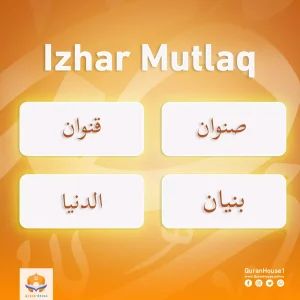
For learners who want to go further, take a look at our izhar mutlaq.
Mechanism of Izhar Shafawi
In the context of Izhar Shafawi, “Meem Saakinah” refers to the letter Meem (م) when it is non-vocalized (i.e., it doesn’t carry a vowel sound). When this non-vocalized Meem is followed by any of the 26 Arabic letters except for Meem and Baa, the rule of Izhar Shafawi comes into play. The reciter must pronounce the Meem clearly without nasalizing the sound, known as Ghunnah. This clarity in pronunciation is crucial for maintaining the integrity and beauty of the Quranic verses.
For learners who want to go further, take a look at our quran kids.
Significance of Izhar Shafawi
Enhancing Clarity The primary significance of Izhar Shafawi lies in its contribution to the clarity of Quranic recitation. By clearly pronouncing the letters, reciters avoid ambiguity and ensure that each word and sentence is understood as intended. This clarity is not just about the correct pronunciation but also about preserving the meaning and emotional impact of the Quranic verses.
Beautifying Recitation Beyond clarity, Izhar Shafawi enhances the aesthetic and spiritual experience of Quranic recitation. The clear pronunciation of each letter adds to the rhythmic beauty of the verses, allowing reciters and listeners alike to engage more deeply with the text. The rules of Tajweed, including Izhar Shafawi, are not arbitrary but are designed to honor the divine nature of the Quran, reflecting its beauty and majesty through the art of recitation.
Hint: Introduce your children to the art of Tajweed with engaging and interactive online Tajweed classes for kids. Lay the foundation for a lifelong connection with the Quran through beautiful recitation.
Key Components of Izhar Shafawi
| Component | Description | Importance |
|---|---|---|
| Meem Saakinah | The letter Meem (م) when it appears without a vowel sound. | The primary letter involved in Izhar Shafawi. |
| Non-Meem & Non-Baa Letters | The 26 Arabic letters excluding Meem and Baa. | Letters following Meem Saakinah in this rule. |
| Clear Pronunciation | Pronouncing Meem without Ghunnah, ensuring it is distinct and clear. | Core principle of Izhar Shafawi for clarity. |
The Pronunciation Rules of Izhar Shafawi
Understanding the pronunciation rules of Izhar Shafawi requires a detailed look into the mechanics of articulation, the specific letters involved, and the techniques used to ensure clear and correct pronunciation. Here’s a breakdown of how Izhar Shafawi is applied:
Application of Izhar Shafawi
- Context of Meem Saakinah: Izhar Shafawi is specifically applied when “Meem Saakinah” (a non-vocalized “م”) is followed by any letter other than “م” (Meem) and “ب” (Baa). In this context, the reciter must articulate the “Meem” clearly and distinctly.
- Exclusion of Letters: While Meem Saakinah can occur before any of the Arabic letters, Izhar Shafawi is specifically concerned with ensuring that the Meem is pronounced clearly when followed by any of the 26 Arabic letters other than Meem and Baa. This rule helps in differentiating the sounds and meanings of words in recitation.
Detailed Pronunciation Method
- Avoiding Ghunnah: Ghunnah is a nasal sound that is common in Arabic pronunciation but is specifically avoided in Izhar Shafawi. The reciter must ensure that the Meem is pronounced without this nasal echo, focusing instead on a clear and pure sound.
- Clarity of the 26 Letters: Each of the 26 applicable letters has its distinct articulation point and manner of pronunciation. The reciter needs to maintain clarity when these letters follow Meem Saakinah, ensuring that the transition from the Meem to the following letter is sharp and clear.
Articulation Points and Techniques
- Role of Lips: The lips play a crucial role in the pronunciation of Meem Saakinah. For Izhar Shafawi, the lips must come together and then part cleanly without causing any nasalization. This technique is vital for achieving the clarity prescribed by Izhar Shafawi.
- Avoiding Nasal Sounds: One of the critical challenges in Izhar Shafawi is avoiding the unintentional nasalization of the Meem sound. The reciter must focus on using the mouth cavity to produce a resonant, clear Meem, especially when followed by letters that tend to be nasalized.
- Practice and Precision: Achieving the precise pronunciation required by Izhar Shafawi involves careful practice. Reciters often work with skilled teachers to learn the subtle nuances of articulation, focusing on how to position the lips, when to part them, and how to control the flow of air.
In mastering the pronunciation rules of Izhar Shafawi, reciters enhance their overall recitation and ensure that their delivery is in line with the traditional and prescribed methods of Quranic recitation. The clarity and beauty achieved through the proper application of Izhar Shafawi are seen as not only a technical accomplishment but also a spiritual one, reflecting the reverence and care given to the words of the Quran.
Hint: Unlock the true beauty of Quranic recitation by enrolling in online Tajweed classes taught by native Arab instructors. Polish your recitation skills and receive valuable feedback to recite the Quran flawlessly.
Final Thoughts
To sum up, izhar shafawi is an important topic, and learning more about izhar shafawi helps every sincere student. For the original text, see Quran.com.

Many students exploring izhar shafawi find that consistent practice with izhar shafawi leads to steady, lasting progress over time.
Many students exploring izhar shafawi find that consistent practice with izhar shafawi leads to steady, lasting progress over time.