Meem Sakinah Overview

Understanding meem sakinah matters for every student, and our courses at Quran House cover it in depth.
If this is an area you’d like to explore in more depth, check out our laam sakinah rules.
For learners who want to go further, take a look at our rules itikaf.
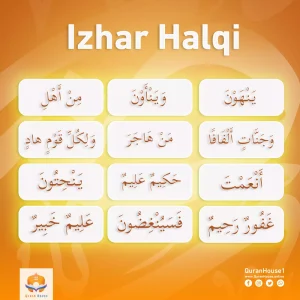
If this is an area you’d like to explore in more depth, check out our izhar halqi.
The Three Rules of Meem Sakinah
Understanding the rules of Meem Sakinah is crucial for proper Quranic recitation and is a fundamental aspect of Tajweed, the art of reciting the Quran. The letter “م” or Meem is particularly significant because its pronunciation changes based on the surrounding letters and its vocalization.
There are precisely three rules for Meem Sakinah, corresponding to the number of strokes in the Arabic letter “م” when written out fully as “ميم”. This mnemonic helps students of Tajweed remember the rules associated with this letter.
For learners who want to go further, take a look at our online tajweed course duration.
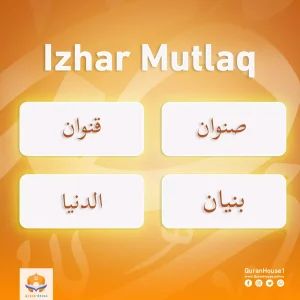
For learners who want to go further, take a look at our izhar mutlaq.
1. Idgham Shafawi (Labial Merging)
- Definition: Idgham Shafawi occurs when a non-voweled Meem (Meem Sakinah) is followed by a voweled Meem. The two Meems merge, and this merging is articulated with a lengthened nasal sound known as “Ghunnah.”
- Significance: This rule is essential for maintaining the fluency and melody of Quranic recitation, allowing for smooth transitions between words.
2. Ikhfa Shafawi (Concealing Labial Movement)
- Definition: Ikhfa Shafawi happens when the Meem Sakinah is followed by the letter “ب” (Baa). Here, the sound of Meem is subtly concealed or hidden, and a nasalized sound is produced.
- Significance: It introduces a nuanced articulation that enriches the recitation, reflecting the meticulous nature of Tajweed rules.
3. Izhar Shafawi (Clear Pronunciation)
- Definition: In Izhar Shafawi, the Meem Sakinah is followed by any letter other than Meem or “ب”, leading to a clear and distinct pronunciation of the Meem without any nasalization or merging.
- Significance: This rule ensures clarity and precision in pronunciation, which is pivotal in differentiating words and meanings in the Quran.
Hint: Introduce your children to the art of Tajweed with engaging and interactive online Tajweed classes for kids. Lay the foundation for a lifelong connection with the Quran through beautiful recitation.
Table for Better Understanding
To provide a clearer understanding, here’s a table summarizing the three rules:
| Rule Name | Definition | Significance |
|---|---|---|
| Idgham Shafawi | Merging of a non-voweled Meem with a voweled Meem. | Facilitates smooth transitions and melodic continuity in recitation. |
| Ikhfa Shafawi | Concealing the Meem sound when followed by “ب”. | Adds nuance and depth to recitation through subtle sound variations. |
| Izhar Shafawi | Clear pronunciation of Meem when followed by other letters. | Ensures clarity and distinction of words and meanings in the Quran. |
Each of these rules plays a vital role in the art of reciting the Quran correctly.
By understanding and applying these rules, reciters can ensure that they are honoring the words of the Quran with the respect and precision they require.
Idgham Shafawi (Labial Merging)
Definition and Application:
Idgham Shafawi is a Tajweed rule applied during the recitation of the Quran, specifically addressing the pronunciation of the letter “م” or Meem when it appears without a vowel (sukoon) and is followed by another Meem with a vowel. The term “Idgham” means to merge, and “Shafawi” refers to the lips, the part of the mouth used to articulate the Meem sound. In this rule, the non-voweled Meem (Meem Sakinah) merges into the subsequent voweled Meem, creating a prolonged and nasalized sound known as Ghunnah.
This results in a single, emphasized Meem sound. The purpose of Idgham Shafawi is to ensure a smooth and continuous flow of recitation, enhancing the melodic quality of Quranic recitation.
Examples from the Quran:
To illustrate the rule of Idgham Shafawi, consider the following examples from the Quran:
- Surah Al-Fil (105:4) – “وَأَرْسَلَ عَلَيْهِمْ طَيْرًا أَبَابِيلَ”
- In this verse, the word “عَلَيْهِمْ” ends with a Meem Sakinah followed by “طَيْرًا”, which starts with a voweled Meem. The two Meem sounds merge smoothly, demonstrating Idgham Shafawi.
- Surah Al-Ikhlas (112:1) – “قُلْ هُوَ اللَّهُ أَحَدٌ”
- Here, the phrase “اللَّهُ أَحَدٌ” includes a Meem Sakinah in “اللَّهُ” followed by the voweled Meem in “أَحَدٌ”. The merging of these Meems is a practical example of Idgham Shafawi.
These examples showcase how the rule of Idgham Shafawi is applied in the Quran. By practicing these verses and others like them, reciters can improve their proficiency in applying the rule, enhancing their recitation’s fluidity and melodiousness. As always, it is recommended to learn and practice Tajweed rules under the guidance of a qualified teacher to ensure accurate and respectful Quranic recitation.
Hint: Unlock the true beauty of Quranic recitation by enrolling in online Tajweed classes taught by native Arab instructors. Polish your recitation skills and receive valuable feedback to recite the Quran flawlessly.
Ikhfa Shafawi (Concealing Labial Movement)
Definition and Application:
Ikhfa Shafawi is a rule of Tajweed that applies to the pronunciation of the letter “م” (Meem) when it has sukoon (is non-voweled) and is followed by the letter “ب” (Baa). The term “Ikhfa” means to conceal or hide, and “Shafawi” refers to the lips. In this context, Ikhfa Shafawi involves partially concealing or hiding the sound of the Meem by not fully closing the lips, which is then followed by a pronounced closure for the Baa sound.
This concealment creates a nasalized sound known as Ghunnah, which is prolonged slightly before transitioning into the “ب”. The resulting sound is a blend of subtlety and clarity, enhancing the articulation and melody of the Quranic recitation.
Examples from the Quran:
Here are specific examples from the Quran that illustrate the application of Ikhfa Shafawi:
- Surah Al-Baqarah (2:144) – “فَوَلِّ وَجْهَكَ شَطْرَ الْمَسْجِدِ الْحَرَامِ وَحَيْثُمَا كُنتُمْ فَوَلُّوا وُجُوهَكُمْ شَطْرَهُ”
- In this verse, the phrase “وَحَيْثُمَا” ends with a Meem Sakinah followed by the word “كُنتُمْ” which begins with “ب”. The transition from the Meem to the “ب” is a practical application of Ikhfa Shafawi.
- Surah Al-Muzzammil (73:4) – “أَوْ زِدْ عَلَيْهِ وَرَتِّلِ الْقُرْآنَ تَرْتِيلًا”
- In this verse, the word “وَرَتِّلِ” ends with a Meem Sakinah and is followed by “الْقُرْآنَ” starting with a “ب”. The pronunciation of these two words together demonstrates Ikhfa Shafawi.
By carefully listening to and practicing the recitation of these verses under the guidance of a qualified Tajweed instructor, students can better understand and apply the Ikhfa Shafawi rule. This understanding not only enhances the reciter’s skill but also deepens their connection to the linguistic beauty and precision of the Quranic text. The practice of Ikhfa Shafawi, like all Tajweed rules, is an act of devotion and respect for the words of the Quran, ensuring that they are recited as they were revealed.
Izhar Shafawi (Clear Pronunciation)
Definition and Application:
Izhar Shafawi is a Tajweed rule concerning the clear pronunciation of the letter “م” (Meem) when it appears as Meem Sakinah (Meem with a sukoon or non-voweled) and is followed by any letter other than Meem (“م”) and “ب” (Baa). The term “Izhar” means clear or manifest, and “Shafawi” refers to the lips, indicating that the rule pertains to the articulation involving the lips.
In Izhar Shafawi, the Meem Sakinah is pronounced clearly and distinctly, without any nasalization (Ghunnah) or merging with the following letter. This rule ensures that the sound of Meem is evident and not blended with the subsequent letter, preserving the clarity and integrity of each word in Quranic recitation.
Examples from the Quran:
To illustrate the rule of Izhar Shafawi, consider the following examples from the Quran:
- Surah Al-Fatiha (1:4) – “مَالِكِ يَوْمِ الدِّينِ”
- In this verse, the word “مَالِكِ” ends with a Meem Sakinah followed by the word “يَوْمِ” that starts with a “ي” (Ya). The clear pronunciation of the Meem before the “ي” demonstrates the application of Izhar Shafawi.
- Surah Al-Mujadila (58:1) – “قَدْ سَمِعَ اللَّهُ قَوْلَ الَّتِي تُجَادِلُكَ فِي زَوْجِهَا وَتَشْتَكِي إِلَى اللَّهِ”
- Here, the word “تُجَادِلُكَ” ends with a Meem Sakinah followed by the word “فِي” beginning with “ف” (Fa). The distinct pronunciation of Meem before the “ف” is another example of Izhar Shafawi.
These verses demonstrate how Izhar Shafawi is applied in various contexts within the Quran. By practicing these and other similar verses, reciters can refine their pronunciation and ensure they are adhering to the rules of Tajweed.
Learning and applying Izhar Shafawi is not only a technical skill but also a spiritual endeavor, enhancing the beauty and precision of Quranic recitation. As with all Tajweed rules, it is advisable to study Izhar Shafawi under the guidance of a qualified teacher to fully grasp its application and significance in the recitation of the Quran.
Final Thoughts
To sum up, meem sakinah is an important topic, and learning more about meem sakinah helps every sincere student. For the original text, see Quran.com.